
Bringing a dog into your life is simple. Caring for one well is what overwhelms most people because the “right” routine depends on your dog’s age, size, lifestyle, and health.
This guide gives you a clear, real-world system you can follow and revisit. It covers nutrition, daily routine, vet care, grooming, parasite prevention, training, safety, travel, and weather protection. It’s designed to be skimmable use the checklists when you’re short on time.
Quick note: This content is general guidance, not veterinary advice. If your dog has medical conditions, ask your vet for a tailored plan.
Disclosure: This post may contain affiliate links.
Start Here: Build Your Dog’s “Care Profile” (2 Minutes)
Before you buy food or build a routine, answer these:
- Life stage: puppy / adult / senior
- Body goal: maintain / gain / lose
- Activity level: low / moderate / high
- Sensitivity: stomach issues, allergies, itchy skin, joint pain
- Lifestyle: apartment / yard / hiking / city sidewalks / snow & salt
- Your schedule: home often or long workdays
This short profile makes every next decision easier.
1) Food Basics: Choose a Diet You Can Stick With

What “good food” really means
A good diet is one that:
- Matches your dog’s life stage and calorie needs
- Keeps stool consistent
- Supports skin/coat and steady energy
- Fits your budget and routine long-term
Common mistake: switching brands too often “to keep it interesting.” Most dogs do best with consistency, not constant rotation.
Dry, wet, fresh, gently cooked, or air-dried?
Each option can work. Choose what your dog tolerates and what you can maintain.
- Dry food (kibble): easiest and often cheapest; quality varies
- Wet food: very palatable and helps hydration; usually costs more
- Fresh / gently cooked / subscription: convenient and great for picky eaters; needs fridge/freezer space and often costs more
- Dehydrated / air-dried: storage-friendly; you typically add water
If you’re researching Happy Howl, use this detailed guide (feeding chart, coupons, sample pack, and smart buying tips):
Happy Howl Dog Food Reviews: Feeding Chart, Coupons, Sample Pack, and Buying Guide
If you’re comparing top fresh-style options by dog type (picky eater, sensitive stomach, budget, convenience), start here:
Happy Howl vs The Farmer’s Dog vs Ollie Which One Fits Your Dog?
2) Feeding Routine: Simple Rules That Prevent Overfeeding
How often should you feed?
- Most adult dogs do best with two meals per day
- Puppies usually need more frequent meals based on age and breed size
The easiest portion check (better than guessing cups)
Instead of obsessing over the exact number on the bag, do this:
- Look for a visible waist from above
- Feel ribs: they should be easy to feel, not sharply visible
- Track weight monthly
- Adjust portions by 5–10% if weight slowly rises or drops
Switching foods (avoid stomach drama)
Transition gradually over 7–10 days:
- Mix old + new food and shift ratios slowly
- Go slower if your dog has a sensitive stomach
- If stool gets loose, cut back treats and slow the transition
For a brand-specific feeding chart (especially with subscriptions or fresh-style plans), use:
Happy Howl Dog Food Reviews: Feeding Chart, Coupons, Sample Pack, and Buying Guide (internal link)
3) Water: The Most Overlooked “Supplement”
Clean water is non-negotiable:
- Refresh daily (more if it gets dirty)
- Wash the bowl often
- Encourage drinking after walks and play
If your dog drinks poorly: try a wider bowl, switch materials (stainless steel often helps), or use a pet fountain.
4) Exercise: Don’t Just “Tire Them Out”
A strong daily routine includes:
- Movement (walks, play)
- Sniff time (mental stimulation)
- Training minutes (structure and confidence)
Simple baseline
- Small/medium adults: 30–60 minutes total activity daily (split up)
- High-energy breeds: more activity + structured mental work
- Seniors: shorter, consistent walks to keep joints moving
Add sniff walks where your dog leads and explores. Many dogs find this more fulfilling than a fast, strict pace.
5) Grooming Essentials: Skin, Coat, Nails, Ears
Brushing
Brush frequency depends on coat type, but your goal stays the same:
- Reduce matting and tangles
- Remove loose hair
- Check skin for irritation, fleas, ticks, or bumps
Bathing
Bathe as needed, not constantly. Too many baths can dry out the skin. Use a dog-safe shampoo and rinse well.
Nails
Long nails affect posture and joint comfort. If nails click loudly on hard floors, it’s usually time to trim.
Ears and eyes
Check weekly:
- Ears should not smell strongly or look inflamed
- Eyes should look clear without heavy discharge
If you notice redness, odor, constant scratching, or head shaking, get it checked.
6) Teeth: The Small Habit That Saves Big Money
Dental issues are common and expensive. Use this simple plan:
- Brush a few times a week (daily is ideal)
- Use vet-approved dental chews if tolerated
- Schedule professional cleanings when your vet recommends them
Strong, persistent bad breath is not “normal dog breath.”
7) Parasites: Fleas, Ticks, and Worms (Build a Prevention Plan)
Don’t guess. Build a routine:
- Ask your vet what’s common in your area
- Use a prevention strategy that fits your region and lifestyle
- Check paws, belly, and coat after walks especially in grassy or wooded spots
If your dog scratches nonstop or you see tiny black “pepper” specks in fur, check for flea dirt.
8) Vet Care: Vaccinations, Checkups, and When to Go
A strong baseline for most dogs:
- Annual wellness exam (or twice yearly for seniors)
- Core vaccinations based on vet guidance
- Keep records (digital folder or printed)
Go sooner if you notice:
- Vomiting/diarrhea that doesn’t improve
- Unusual lethargy
- Breathing trouble
- Sudden limping
- Refusing food for a full day (adult dogs)
9) Training and Handling: A Calm Dog Is a Safer Dog
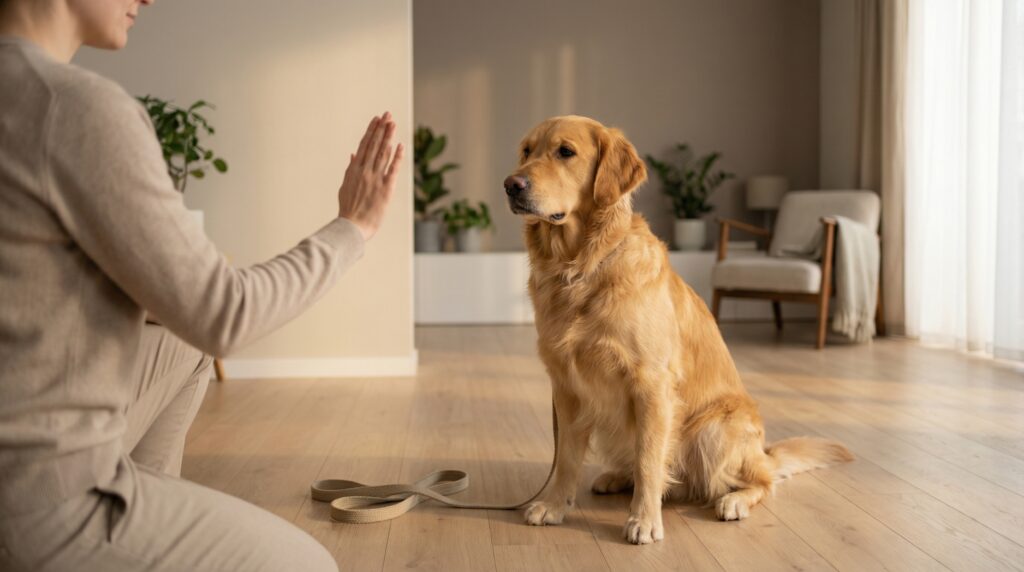
Training is communication, not just tricks. Build these core skills:
- Name recognition + recall practice
- Leash manners
- “Leave it” and “Drop it”
- Polite greeting (no jumping)
- Crate/alone-time training to reduce separation anxiety
Build comfort with gentle handling:
- Touch paws briefly
- Brush for short sessions
- Check ears calmly
- Practice car rides
Short daily sessions work better than one long session per week.
10) Identification and Home Safety
ID essentials
Every dog should have:
- Collar tag with phone number
- Microchip (and updated contact details)
Dog-proof your home
Keep these out of reach:
- Human medicines
- Chocolate, grapes/raisins
- Xylitol products
- Cleaning chemicals
Also:
- Secure trash can lids
- Block unsafe balconies/stairs if needed
- Store small chewable items (socks, kids’ toys) away
11) Poop Cleanup and Hygiene (Yes, It Matters)
Good owners pick up every time.
- Keep poop bags attached to the leash
- Dispose properly
- Clean accidents with an enzyme cleaner (it removes odor cues better than standard cleaners)
12) Toys and Enrichment: Prevent Boredom Behaviors
Boredom often looks like:
- Chewing furniture
- Barking
- Digging
- Stealing items for attention
Use:
- Chew toys matched to size and chewing style
- Puzzle feeders
- Treat-stuffable toys for mental work
Rotate toys weekly so they feel new again.
13) Weather and Paw Protection: When Boots Actually Help
Boots aren’t just aesthetic. They help with:
- Snow and road salt
- Hot pavement
- Rough trails
- Rainy, muddy walks
- Paw irritation or slipping
Most boots fail because of:
- Wrong sizing
- Weak fasteners
- Poor fit around dewclaws
- Your dog’s gait kicking them off
If you want a stay-on design, read this test and fit guide:
Walkee Paws Boots Review: The “Stay-On” Suspender Design Tested for Rain, Snow + Fit Tips
14) Travel and Holidays: Plan Before You Leave
Before trips:
- Confirm pet-friendly lodging rules
- Bring familiar food (sudden changes upset stomachs)
- Pack meds, records, and flea/tick prevention
- Update ID details
- Use a trusted sitter if your dog struggles with travel stress
15) Special Situations: Puppies, Seniors, and Coping With Loss
Puppies
- More meals, more naps, more supervision
- Gentle training starts day one
- Predictable routines reduce stress
Seniors
- Shorter, consistent walks
- Ask your vet about joint support
- Keep nails trimmed to improve traction
Coping with loss
If you’re facing end-of-life care or recent loss, slow down. Pet grief is real. Lean on your support system and your vet for guidance.
Dog Care Essentials Checklist (Save This)
Daily
- Fresh water
- Portion-controlled meals
- Walk/play + sniff time
- Quick body check (eyes, paws, energy)
Weekly
- Brush coat
- Check ears, nails, teeth
- Wash bowls and clean toys
Monthly
- Weigh-in or body condition check
- Restock supplies (bags, food, treats)
Seasonally
- Update parasite prevention plan
- Prepare for heat/snow (paw protection if needed)
 ✓
✓