

Mito Red Light How to Choose the Right Device & Where to Buy
Meet Mito Red Light: a brand offering red light therapy devices often used in general wellness routines (comfort, recovery support, and lifestyle consistency). This page helps you choose between Panels, Mats, and Targeted devices with practical routine tips and quick comparisons.
Affiliate disclosure: We may earn a commission from qualifying purchases. This page is informational and not medical advice.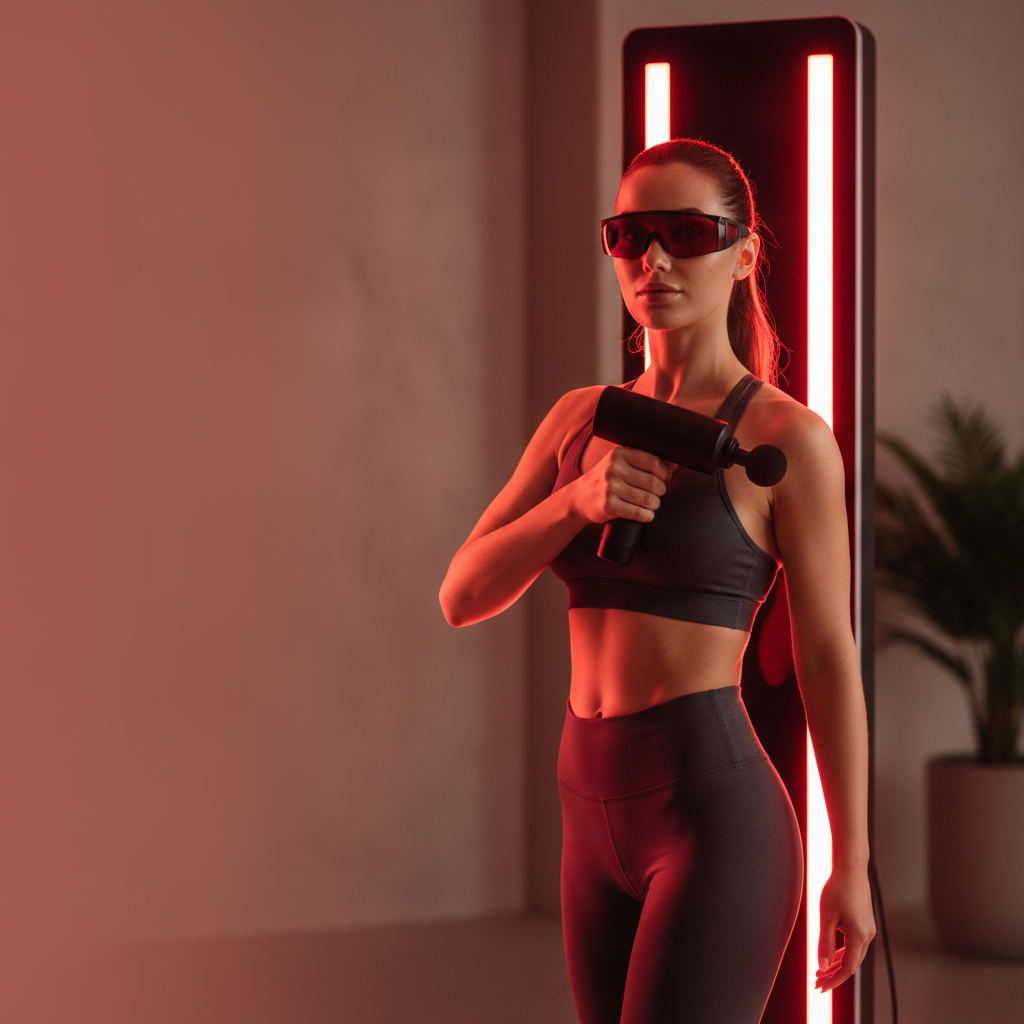
Why Mito Red Light Stands Out (Wellness Lens)
- Routine-friendly formats: Options that fit different spaces and schedules (home setups vs portable sessions).
- Panel-style sessions: Good for people who want an “on-stand / in-room” wellness habit.
- Mat-style comfort: Often preferred by users who want a more relaxed, lying-down routine.
- Clear buying decision: Choose based on consistency—what you’ll actually use 3–5x/week.
We keep this page wellness-oriented: no disease claims, no treatment promises, and no medical guarantees.
Top Options & Everyday Use Cases
Quick overviews to help you choose. Always follow the product instructions and your healthcare provider’s guidance.
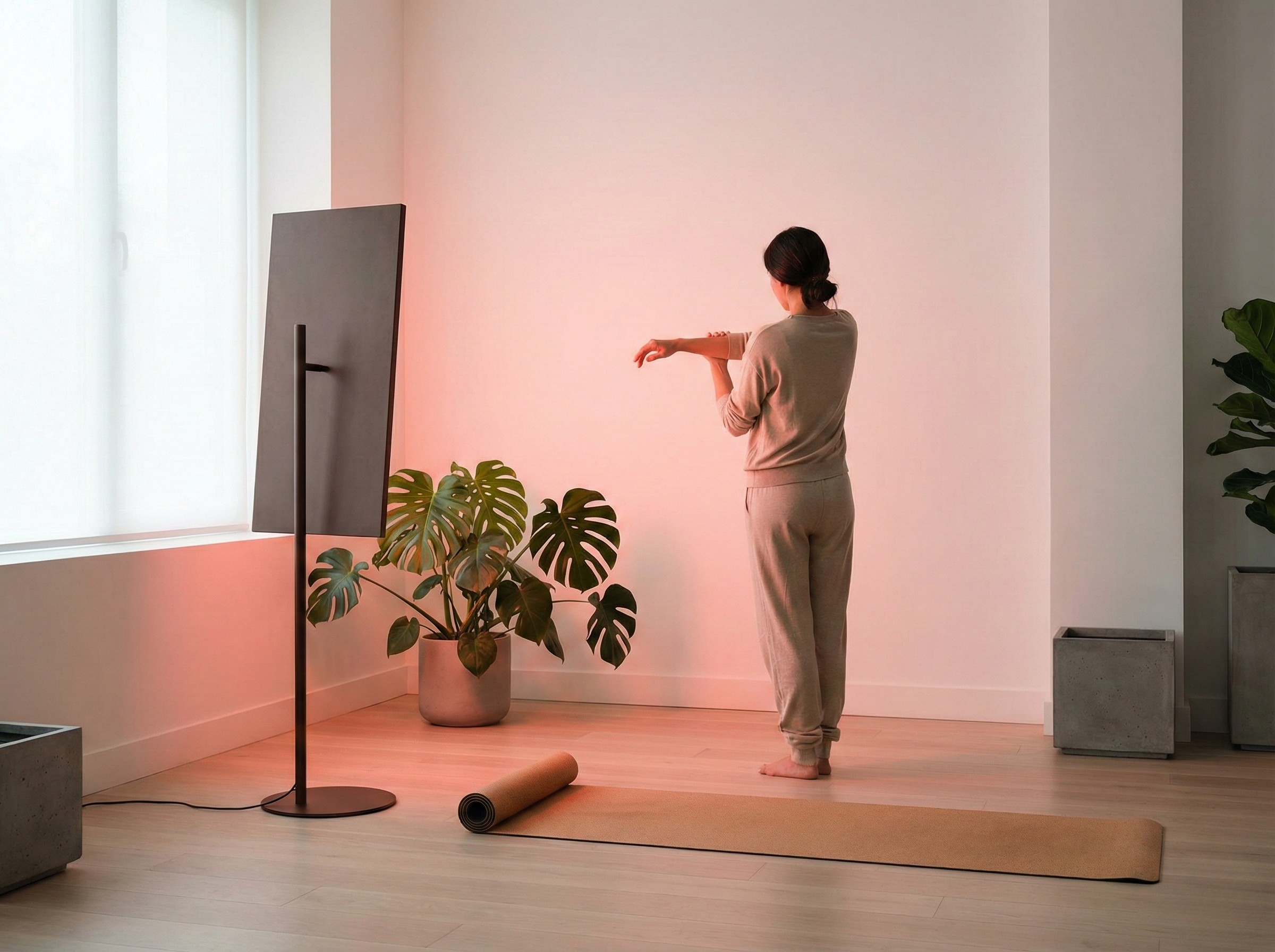
Panels
Best for structured routines. A great fit if you want a consistent setup in one place (bedroom, office, gym corner).
- Good for “stand + session” habits
- Easy to pair with stretching or wind-down routines
- Consider size + room space + setup time
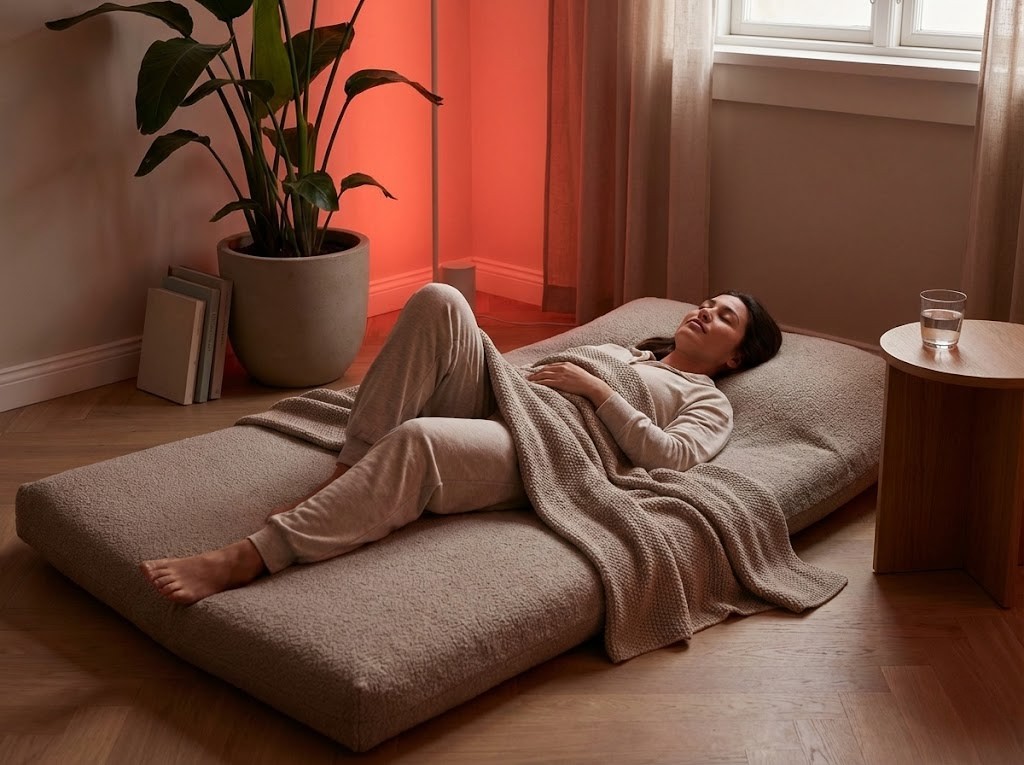
Mats
Best for comfort-first sessions. Ideal if you prefer a relaxed routine—lying down, breathing work, or bedtime wind-down.
- Comfortable, low-effort routine format
- Pairs well with meditation or gentle stretching
- Focus on ease of use and storage
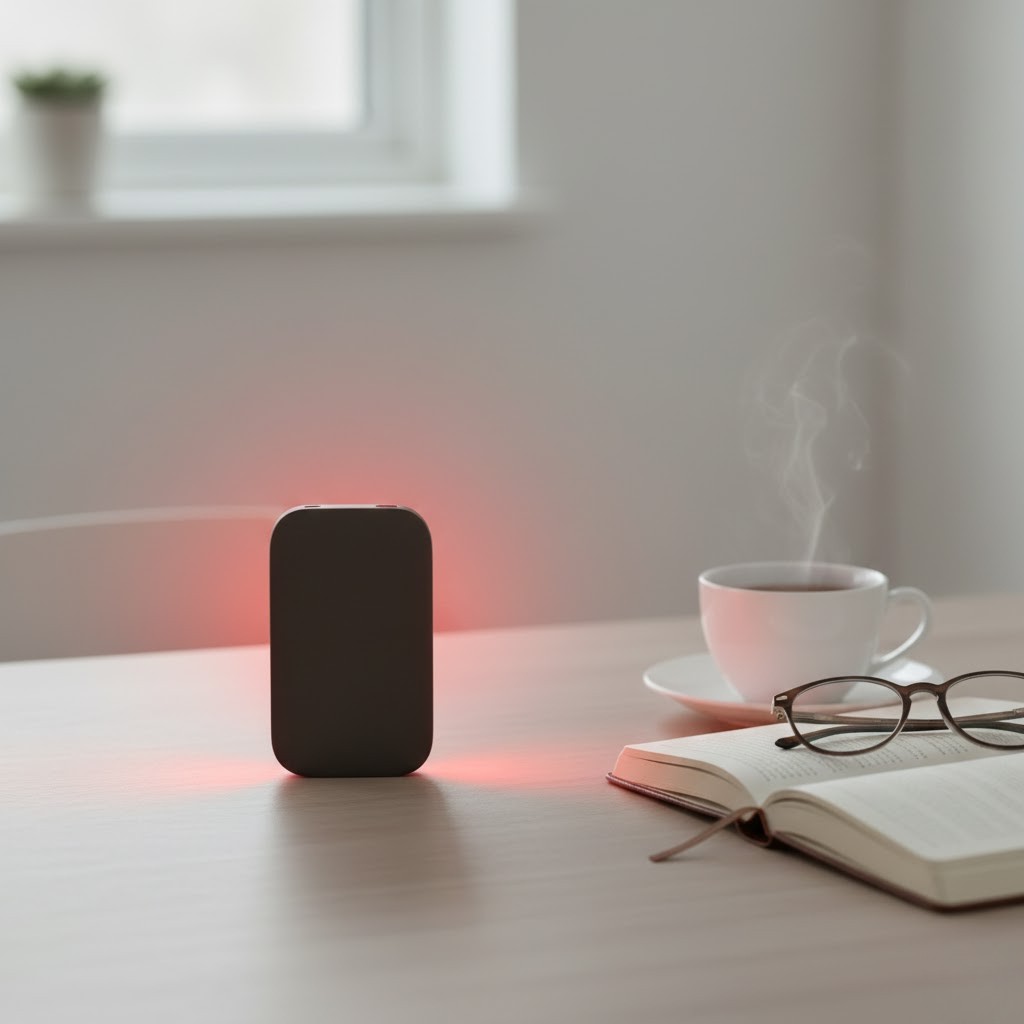
Targeted Devices
Best for quick sessions. Good for users who want a smaller, simpler option that’s easy to travel with or use in short routines.
- Portable and easy to keep consistent
- Works well for “5–10 minute” habit stacking
- Consider portability + power + convenience
How to Choose (Simple)
Pick the device you’ll actually use. Most people get better results from consistency than complexity.
- Space: dedicated corner (panel) vs roll-up storage (mat)
- Time: longer sessions vs quick daily sessions
- Comfort: standing routine vs lying routine
Quick Compare
| Option | Everyday Fit | Best Time | Pairs Well With |
|---|---|---|---|
| Panels | Structured, dedicated routine | Morning focus or evening wind-down | Stretching, breathwork, post-workout |
| Mats | Comfort-first, low-effort sessions | Evening / bedtime routine | Meditation, relaxing music, gentle mobility |
| Targeted Devices | Quick, portable habit stacking | Anytime you can stay consistent | Desk breaks, travel routine, quick reset |
Note: This is a general wellness comparison. Always follow official product instructions and any personal medical guidance.
Routine Notes (Wellness-Only)
People often ask how to “start.” The best approach is a consistent, simple routine that fits your life. Exact usage varies by device—always follow the official instructions.
Beginner-Friendly Routine
- Start with short sessions and build consistency
- Track how you feel (comfort, routine adherence)
- Keep it simple for 2–4 weeks before changing anything
Practical Setup Tips
- Place the device where you’ll see it daily (habit cue)
- Pair it with a “done anyway” habit (tea, stretching, journaling)
- Follow safety guidance and instructions (eyes/skin distance, session time)
Mito Red Light – The Friendly Take
We like realistic wellness routines. The best device is the one you use consistently, without friction. Panels fit structured setups, mats fit comfort-based routines, and targeted options fit quick daily habits.
- What we like: multiple formats for different lifestyles and spaces.
- Keep in mind: avoid “all-in-one” expectations. Be consistent, follow instructions, and adjust slowly.
FAQ – Quick Answers
Is this medical advice?
Panels vs mats — which is better?
Where can I buy Mito Red Light?
Important
This page shares general wellness information and is not a substitute for professional medical advice. Always follow product instructions and your healthcare provider’s guidance. We do not make medical claims.