
Fat Loss That Sticks: Metabolic Health, Appetite Skills, and GLP-1 Basics (No Hype)
Weight loss gets easier when you stop chasing hacks and start using a repeatable system. You create a manageable calorie deficit, build meals that control appetite, protect muscle with protein and strength training, and improve metabolic health with daily movement and sleep.
This guide covers fat loss basics, insulin resistance fundamentals, appetite control, GLP-1 education (non-prescriptive), and sustainable habits in plain, practical language.
Key Takeaways
- A calorie deficit drives fat loss, but your habits decide whether you can maintain it long-term.
- Insulin resistance improves with weight loss and physical activity for many people.
- Protein and strength training protect lean mass and make dieting feel easier.
- GLP-1 medications reduce appetite, but they still require nutrition and lifestyle structure.
If you’re comparing online GLP-1 clinics, read my Strut Health review. - Most “fat burner” supplements underdeliver. Food quality, protein, fiber, steps, and sleep outperform hype.
1) Fat Loss Fundamentals (What Actually Works)
Fat loss happens when you sustain an energy deficit
Your body uses stored energy when you consistently eat fewer calories than you burn. That principle stays true across diet styles. You don’t need extremes—you need a deficit you can live with.
Your “deficit tools” (pick 2–3)
- Portion control (smaller plates, pre-portioned snacks, fewer liquid calories)
- Higher-protein meals (better fullness, better muscle retention)
- Higher-fiber foods (better fullness, steadier appetite)
- Daily movement (more steps, light cardio, strength training)
- Better sleep (less hunger, better adherence)
2) Metabolic Health and Insulin Resistance (Simple Explanation)
What insulin resistance means
Insulin helps move glucose from blood into cells. With insulin resistance, your cells respond less effectively, so your body often needs more insulin to keep blood sugar stable.
What improves insulin resistance for many people
- Weight loss
- Regular physical activity
- A sustainable eating pattern
- Sometimes medication (clinician-directed)
Lifestyle change plays a central role in prevention and improvement.
What “metabolic health” looks like in daily life
- Stable energy (fewer crashes)
- Better appetite control
- More consistent sleep
- Better waist measurement trends
- Improved lab markers over time (clinician-guided)
3) Appetite Control (The Make-or-Break Skill)
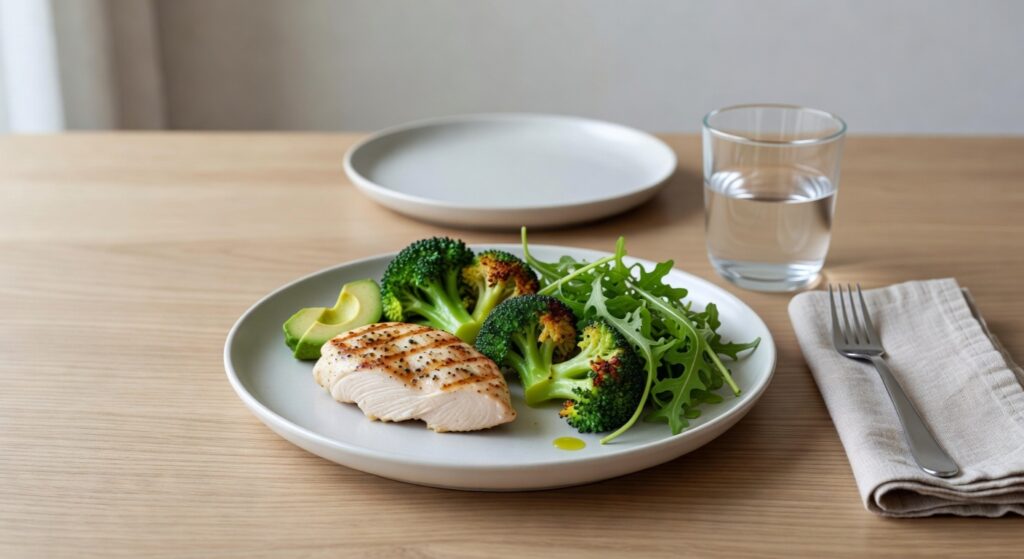
You can’t “white-knuckle” weight loss forever. Build meals that reduce hunger naturally.
The hunger-control meal formula
Aim for this at most meals:
- Protein (anchors fullness)
- Fiber (slows digestion, supports satiety)
- Volume (vegetables, soups, fruit)
- A little fat (improves satisfaction)
Quick appetite wins
- Start meals with protein + produce
- Keep ultra-processed snacks out of your default routine
- Drink water consistently (especially before lunch)
- Reduce liquid calories (soda, sugary coffee, juice)
4) Protein for Fat Loss (How Much and Why It Matters)
Protein helps you stay full and protects lean mass during weight loss. When you diet, your body can lose fat and muscle. Protein plus resistance training reduces that risk.
A practical target (evidence-based range)
Many people do well around 1.2–1.6 g protein per kg body weight per day, with higher intakes often helping active individuals preserve lean mass.
Simple “no-math” protein method
- Get 25–40 g protein per meal, 3–4 times per day (adjust to appetite and size)
- Add a protein snack only if you truly need it
High-protein foods (easy defaults)
- Eggs, Greek yogurt, cottage cheese
- Chicken, fish, turkey, lean beef
- Tofu, tempeh, lentils, beans
- Whey/plant protein powder (as a convenience tool)
5) Calorie Deficit Explained (Without Confusion)
You don’t need perfect tracking
Tracking can help, but it’s optional. If tracking stresses you out, use structure instead.
Three deficit levels (choose one)
- Gentle deficit: slow, steady, easier to maintain
- Moderate deficit: faster results, harder adherence
- Aggressive deficit: short-term only, higher risk of rebound hunger and muscle loss
A reliable calorie planning tool
If you want a structured starting point, the NIDDK Body Weight Planner helps you estimate calories and activity needed to reach a goal.
Best practice: Treat any calculator as a starting estimate. Adjust based on real weekly trends.
6) GLP-1 Education (Non-Prescriptive, Safety-First)
GLP-1 receptor agonist medications can reduce appetite and improve blood sugar control. People often use them for obesity or diabetes care under medical supervision.
What people notice most
- Lower appetite and less food noise
- Earlier fullness
- Slower stomach emptying (varies by medication and dose)
Common side effects
GI effects lead the list especially nausea, vomiting, diarrhea, constipation, and reduced appetite. Side effects often show up early or after dose increases.
A critical safety warning (avoid shady products)
Don’t buy “research use” or unapproved GLP-1 products sold directly to consumers. FDA has warned against illegally sold, unapproved versions that may have unknown quality and risk.
Note: Only a licensed clinician can advise on prescriptions, dosing, and suitability.
7) Berberine (Benefits, Risks, and Cautions)
People often compare berberine to “blood sugar support” tools. Research is ongoing, and results vary.
What berberine can do (realistic framing)
Berberine may support metabolic markers in some people, but it does not replace diet, movement, and clinician-directed care.
Common side effects
People most often report GI symptoms such as nausea, abdominal pain, bloating, constipation, or diarrhea.
Interaction risk matters
Berberine can interact with medications (including immunosuppressant drugs like cyclosporine) and may not fit certain situations. If you take medication, ask your clinician before you use it.
Who should avoid it (high-level safety)
Avoid berberine in pregnancy and breastfeeding, and avoid giving it to infants.
8) Best Weight Loss Supplements (What Works and What to Avoid)
What tends to help the most
These “supplement-like” tools usually beat fat burners:
- Protein supplements (if you struggle to hit protein with food)
- Fiber supplements (if you struggle with fiber and fullness)
- Creatine (supports training performance; not a fat burner, but helps preserve muscle)
What to avoid (high-risk, low-reward)
- “Detox” teas, laxative-based products
- Proprietary blends with hidden stimulant doses
- Aggressive stimulant stacks that raise anxiety and heart rate
- Products that promise rapid fat loss without diet changes
Rule: If a product sells urgency and miracles, it usually sells disappointment.
9) The Habit System (Your 4-Week Metabolic Reset)
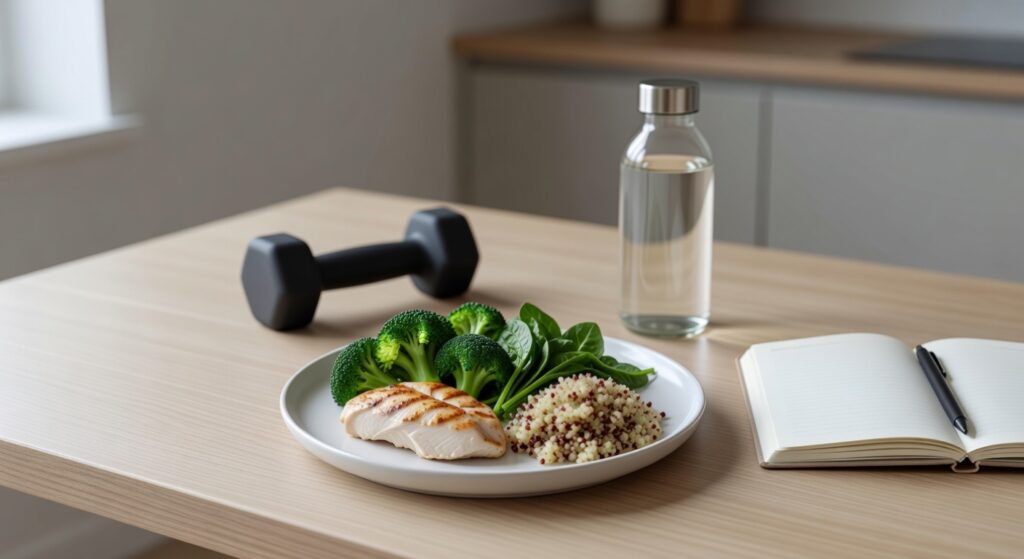
Use this plan if you want results without burnout.
Week 1: Build structure
- Eat protein at every meal
- Add produce at lunch and dinner
- Walk 10 minutes after one meal daily
- Sleep/wake times stay consistent 5–6 days/week
Week 2: Control appetite
- Add one high-fiber food daily (beans, oats, berries, chia, vegetables)
- Reduce liquid calories and ultra-processed snacks
Week 3: Protect muscle
- Add 2–3 strength sessions/week
- Keep protein steady (don’t “diet harder” by cutting protein)
Week 4: Make it sustainable
- Pick 2 “default” meals you can repeat
- Plan groceries around those defaults
- Keep a flexible meal out strategy (protein + vegetables first)
Red Flags (Get Medical Help)
Seek medical evaluation if you have:
- Unexplained weight loss
- Chest pain, fainting, severe dizziness
- Persistent vomiting
- Blood in stool
- Severe abdominal pain
- Symptoms that wake you at night
FAQs
Can I lose fat without cutting carbs?
Yes. You can lose fat with different diet styles. Your calorie deficit and adherence matter most.
Why does weight loss slow down?
Your body adapts. You move less without noticing, your appetite increases, and your maintenance needs can shift. Adjust gently and stay consistent.
What matters more: diet or exercise?
Diet drives most fat loss. Exercise improves metabolic health, preserves muscle, and helps maintain results long-term.
Do GLP-1 medications replace lifestyle changes?
No. They can help appetite and metabolic markers, but you still need structure: protein, fiber, hydration, and a sustainable routine.
Conclusion
You lose fat by sustaining a calorie deficit you can maintain. You improve metabolic health by building habits that reduce hunger, raise daily movement, protect muscle, and support sleep. Use supplements as tools, not shortcuts and treat GLP-1 information with clinician-level seriousness.
Disclaimer:(General education only. If you take medications or manage a medical condition, confirm changes with a qualified clinician.)