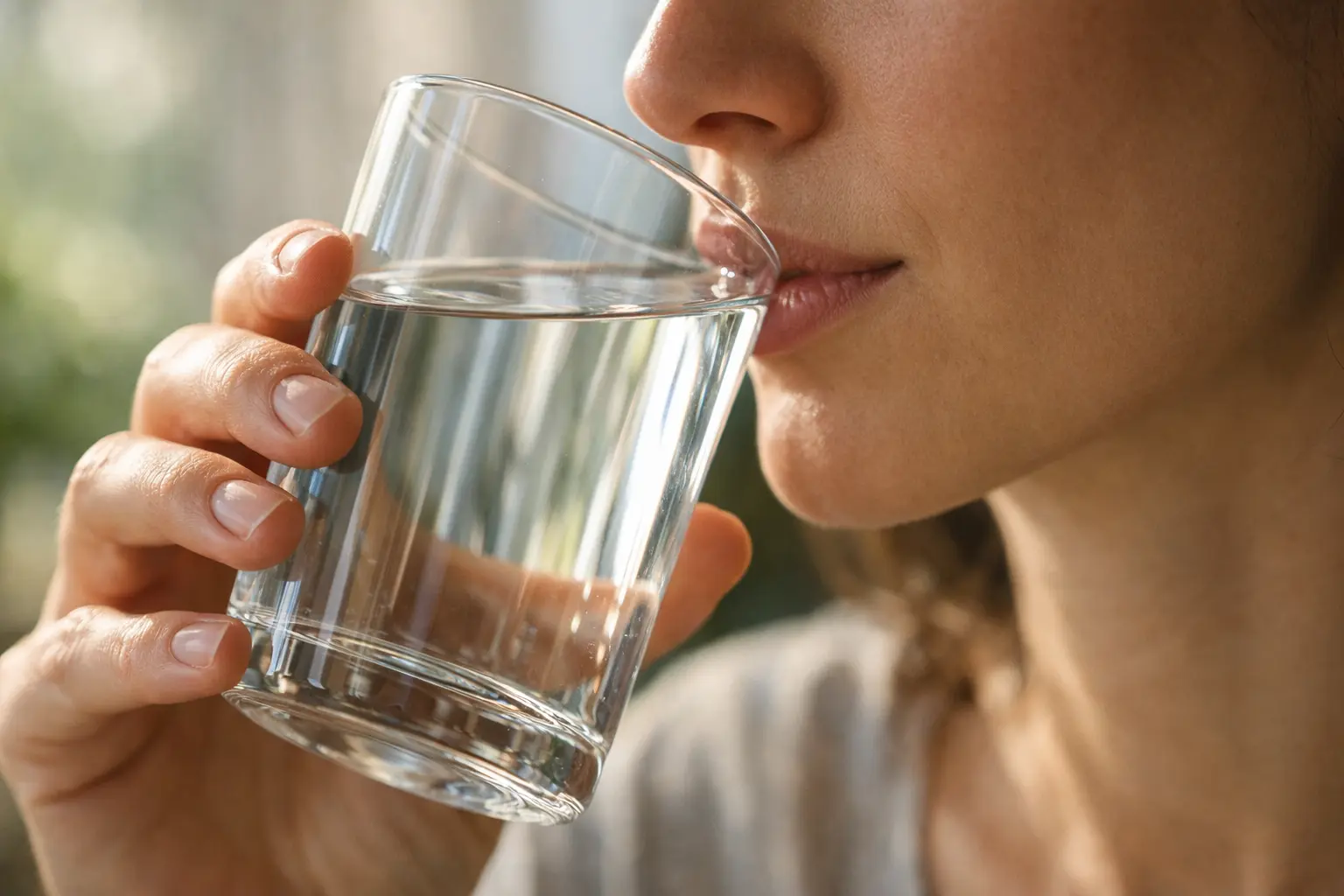
Quick answer: Water intake matters because it supports energy, digestion, temperature regulation, focus, and overall hydration. Most healthy adults do well with steady fluid intake across the day, and a practical benchmark is around 2.7 liters a day for women and 3.7 liters a day for men from all beverages and food combined, though needs go up with heat, activity, and illness.
Table of Contents
- What is water intake and why does it matter?
- Benefits of drinking water
- How much water should I drink daily?
- Daily water intake calculator
- Signs of dehydration and symptoms of not drinking enough water
- How to stay hydrated
- Hydration tips for adults
- Water intake for weight loss
- Can you drink too much water?
- Best bottle for better water intake habits
- Mini hydration checklist
- People Also Ask
- FAQs
- Sources
TL;DR
- Water intake supports focus, digestion, circulation, and temperature control.
- Many adults do well when they drink consistently instead of trying to catch up late in the day.
- Dark urine, headache, dry mouth, dizziness, and fatigue can be signs of dehydration.
- A water intake calculator can help, but your body size, climate, diet, and activity level all matter.
- The easiest hydration fix is usually routine, not perfection.
Water intake sounds basic. It is basic. But it is also one of those basics people get wrong all the time.
Some people barely drink all day, then wonder why they feel tired, foggy, or hungry. Others carry a bottle everywhere but still end up dehydrated because they only sip when they remember. The problem usually is not motivation. It is that hydration gets treated like an afterthought until the body starts pushing back.
Helpful internal resources: If you want a more specific target, try this daily water intake calculator. You can also read how much water you should drink daily and compare bottle options in this guide on regular vs insulated water bottles.
Water Intake: Benefits, Daily Needs, Hydration Tips & Signs of Dehydration
What is water intake and why does it matter?
Water intake is the total amount of water and fluids you get from drinks and food across the day. It matters because your body depends on fluid for circulation, digestion, temperature control, joint function, and normal mental and physical performance.
Here’s the thing. A lot of people think hydration only matters when they are sweating hard or stuck outside in summer. Not true. Even ordinary desk days can feel worse when your fluid intake slips. Energy dips faster. Focus gets weird. Hunger cues can feel louder than they really are.
Good hydration does not need to be dramatic. It just needs to be consistent.
What are the benefits of drinking water?
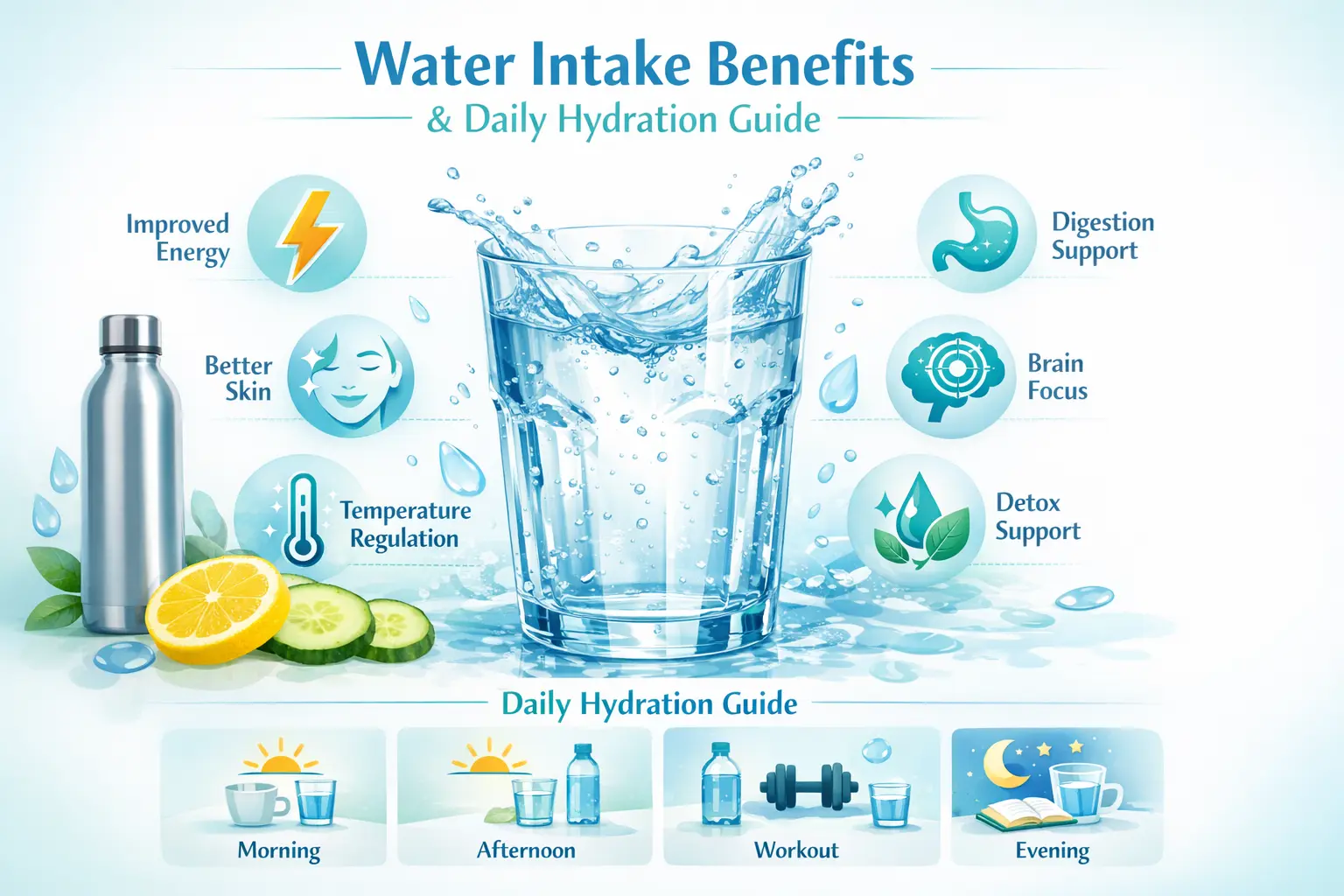
The benefits of drinking water show up in more places than most people expect. It helps support normal body temperature, digestion, energy, clearer thinking, and healthy daily body function. It can also help reduce calorie intake when it replaces sugary drinks.
I’ve seen this play out in the simplest way possible. Someone starts drinking more regularly, not obsessively, and suddenly the afternoon headache shows up less, the “snacky” feeling settles down, and workouts stop feeling flat by the halfway point.
Main benefits of drinking water
- Supports normal hydration and helps prevent dehydration
- Helps regulate body temperature
- Supports digestion and bowel regularity
- Can help reduce calorie intake when replacing sugary drinks
- Supports physical performance and recovery
- May help support clearer focus and mood when dehydration is the problem
How much water should I drink daily?
There is no perfect number that fits everybody, but many healthy adults do well with a practical benchmark of around 2.7 liters a day for women and 3.7 liters a day for men from all beverages and food combined. That is a starting point, not a strict rule.
Your real number changes with weather, body size, exercise, diet, caffeine, illness, and sweat loss. A quiet workday in air conditioning is not the same as an hour-long workout or a hot afternoon outside.
| Situation | Water Intake Approach | What to Watch |
|---|---|---|
| Normal day | Drink steadily through the day | Urine color, thirst, energy |
| Hot weather | Increase intake earlier, not just after you feel drained | Sweat loss, dry mouth, headache |
| Exercise | Hydrate before, during, and after activity | Performance drop, cramps, dizziness |
| High-protein or salty meals | Be more intentional about fluid intake | Feeling thirstier than usual |
| Illness | Drink more carefully and steadily | Fluid loss from fever, vomiting, or diarrhea |
If you want a personalized estimate, use this water intake calculator. It gives you a much better starting point than guessing.
Should you use a daily water intake calculator?
Yes, a daily water intake calculator can be useful because it gives you a more realistic estimate based on your body size and activity level. It is not magic, but it is a solid way to stop relying on random hydration advice from social media.
Most people do better when they have a number to aim at, even if they treat it as a range instead of a rigid target. That makes the habit feel practical instead of vague.
Try the calculator here: Daily Water Intake Tool.
What are the signs of dehydration and symptoms of not drinking enough water?
Common signs of dehydration include thirst, dark yellow urine, dry mouth, fatigue, dizziness, and headache. Symptoms of not drinking enough water can also show up as low energy, poor concentration, constipation, and feeling generally off.
This is where people miss the obvious. They blame the slump on sleep, stress, or caffeine timing, when the truth is they have barely had any fluids since breakfast.
Common signs of dehydration
- Feeling thirsty
- Dark yellow or strong-smelling urine
- Peeing less often than usual
- Dry mouth, lips, or tongue
- Dizziness or lightheadedness
- Fatigue or lower energy
- Headache
Get medical advice sooner if:
- you feel severely weak, confused, or faint
- you cannot keep fluids down
- dehydration signs keep coming back for no clear reason
- you have very little urine output or feel much worse quickly
How to stay hydrated without overthinking it
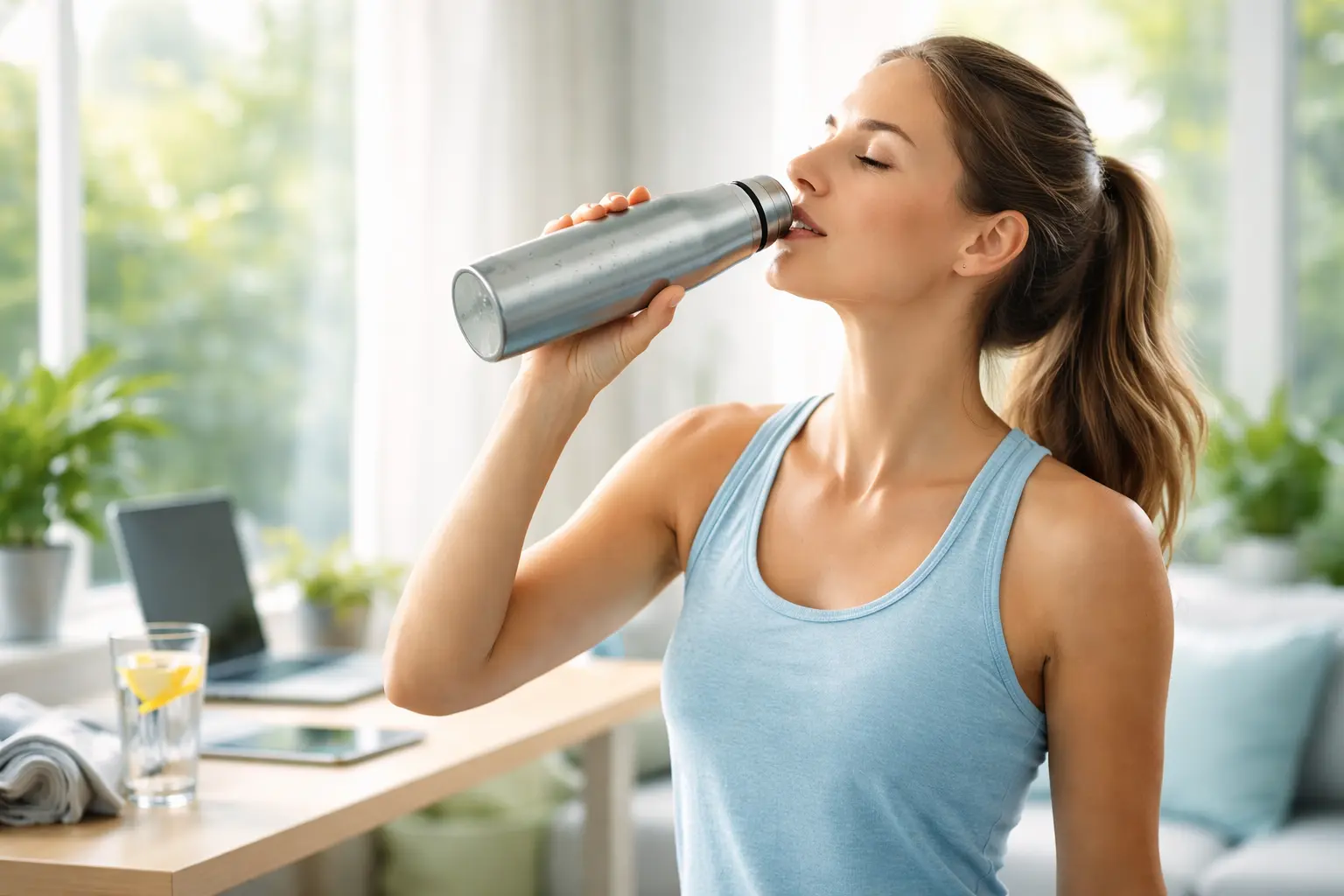
The easiest way to stay hydrated is to build water intake into your routine instead of relying on memory. Keep water visible, drink with meals, and make it easier to sip throughout the day than to forget.
Honestly, this is where habits beat motivation. A bottle on your desk works better than telling yourself you will “remember later.”
Simple ways to stay hydrated
- Start the day with a glass of water
- Keep a bottle near you at work, at home, or in the car
- Drink with meals and snacks
- Use reminders if you tend to forget
- Add lemon, mint, or fruit if plain water feels boring
- Eat hydrating foods like cucumber, oranges, melon, soups, and yogurt
What are the best hydration tips for adults?
The best hydration tips for adults are simple, repeatable, and realistic. You do not need a perfect plan. You need one that fits your day well enough that you will actually follow it.
Hydration tips for adults that work in real life
- Use a bottle you enjoy carrying.
- Refill it at the same times each day.
- Drink more when it is hot, when you are active, or when you feel thirst building.
- Do not wait until you feel wiped out to start drinking.
- Pay attention to urine color as a quick daily cue.
If your current bottle makes water less appealing, that matters more than people admit. A bottle that keeps water cold longer often makes it easier to drink more consistently.
A small upgrade that can improve hydration habits
If you drink more when your water stays cold, check out Coldest Tumblers here. For another recognizable option, you can also browse Stanley Tumblers here.
See Current OptionsDoes water intake help with weight loss?
Water intake can support weight loss, but not in the magical way some headlines suggest. Water helps most when it replaces sugary drinks, supports fullness before meals, and makes exercise feel easier to stick with.
That is the real win. Better hydration often improves the habits around weight loss, which matters more than any single trick.
How water intake for weight loss can help
- Can reduce liquid calories when replacing soda or sweet drinks
- May help you feel fuller before meals
- Can support workout energy and recovery
- May reduce confusion between thirst and hunger in some people
For a deeper guide, you can also visit the homepage here: HealthAffPro.
Can you drink too much water?
Yes, drinking too much water too quickly can be a problem. In more serious situations, excessive water intake can contribute to low sodium levels, especially if fluids are being forced far past thirst or during long periods of heavy exercise.
This part catches people off guard. Hydration is healthy, but more is not always better. The goal is enough water intake, not endless water intake.
What is the best bottle for improving daily water intake?
The best bottle for water intake is the one you will actually use every day. That usually means a bottle that is comfortable to carry, easy to clean, and enjoyable to drink from.
Where most people get this wrong is they buy a bottle based on looks alone. Then it is annoying to clean, too bulky for the gym bag, or warm by lunch. That kills the habit fast.
What to look for in a hydration bottle
- Easy-to-open lid
- Leak-resistant design
- Comfortable size for your routine
- Insulation if you prefer cold water
- Easy cleaning for daily use
If you are deciding between bottle types, this guide can help: Regular vs insulated water bottle.
Mini hydration checklist
If you want a quick self-check, start here:
- Did I drink water early in the day?
- Have I had fluids with meals?
- Am I waiting until I feel very thirsty?
- Is my urine consistently dark?
- Do I tend to feel tired, headachey, or dry by mid-afternoon?
If several of those are true most days, your water intake probably needs attention.
People Also Ask
How much water should I drink daily?
It depends on your size, activity, climate, and health, but many adults do well with steady fluid intake across the day. A common benchmark is around 2.7 liters daily for women and 3.7 liters daily for men from all drinks and food combined.
What are the signs of dehydration?
Typical signs of dehydration include thirst, dark urine, dry mouth, dizziness, tiredness, and headache. If those symptoms keep showing up, especially with low urine output or weakness, it is worth taking seriously.
What are the benefits of drinking water?
Water supports hydration, digestion, body temperature, circulation, and general physical and mental function. It can also help reduce calorie intake when you choose it instead of sugary drinks.
Does water intake help weight loss?
It can help indirectly. Water supports weight loss best when it replaces calorie-heavy drinks, improves fullness before meals, and helps you stay more consistent with activity and daily habits.
How do I stay hydrated if I forget to drink water?
Use visual triggers and routines. Keep a bottle nearby, drink at meals, refill at the same times daily, and make water easier to access than the alternatives. Small systems usually work better than willpower.
FAQs
Is clear urine always the goal for good hydration?
Not necessarily. Very pale yellow is usually a more practical target for many people. Completely clear urine all the time can sometimes mean you are drinking more than you need.
Can coffee and tea count toward water intake?
Yes, they generally count toward your overall fluid intake. Water is still the simplest option, but other drinks and water-rich foods contribute too.
What are symptoms of not drinking enough water over time?
Common symptoms include fatigue, dry mouth, headaches, constipation, darker urine, and low energy. Some people also notice poorer focus or workout performance.
What is the easiest way to improve daily water intake?
Use one bottle, keep it close, and tie drinking water to things you already do, like meals, work breaks, and workouts. Consistency beats overcomplicated rules.
Sources
- National Academies — Daily total water intake guidance
- CDC — Water and healthier drinks
- NHS — Symptoms of dehydration
- MedlinePlus — Low blood sodium and overhydration risk
Health note: This content is for educational purposes only and does not replace medical advice. If you have persistent excessive thirst, kidney disease, heart issues, vomiting, diarrhea, severe weakness, or repeated dehydration symptoms, speak with a qualified healthcare professional.
 ✓
✓