Pine pollen appears in powders, capsules, and tinctures marketed for energy, vitality, hormone support, and healthy aging. This guide separates what pine pollen is from what supplement marketing sometimes claims it can do.
Key Points
- Pine pollen helps pine trees reproduce; it is not the same thing as pine nuts, needles, bark, or resin.
- Depending on the species, it may contain proteins, carbohydrates, fatty acids, amino acids, minerals, vitamins, polysaccharides, and phenolic compounds.
- Commercial forms include raw powder, cracked-cell powder, capsules, tablets, and liquid tinctures.
- Most proposed benefits come from traditional use, laboratory research, animal studies, or marketing rather than robust human trials.
- Pine pollen should not be considered testosterone replacement therapy or treatment for fatigue, erectile dysfunction, infertility, or hormonal disease.
- People with pollen allergies, asthma, medical conditions, or medication concerns should seek professional advice before use.
What Is Pine Pollen?
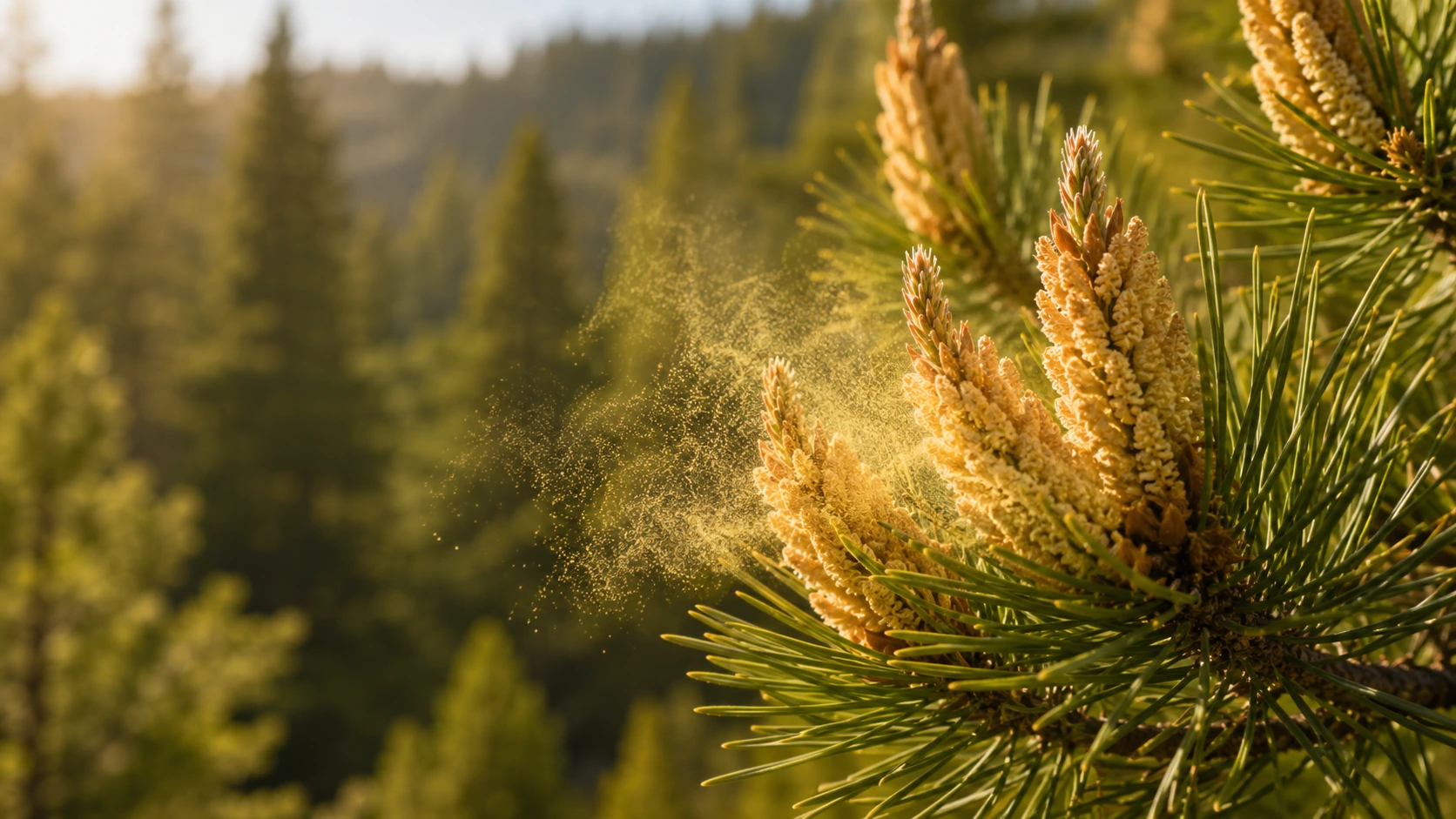
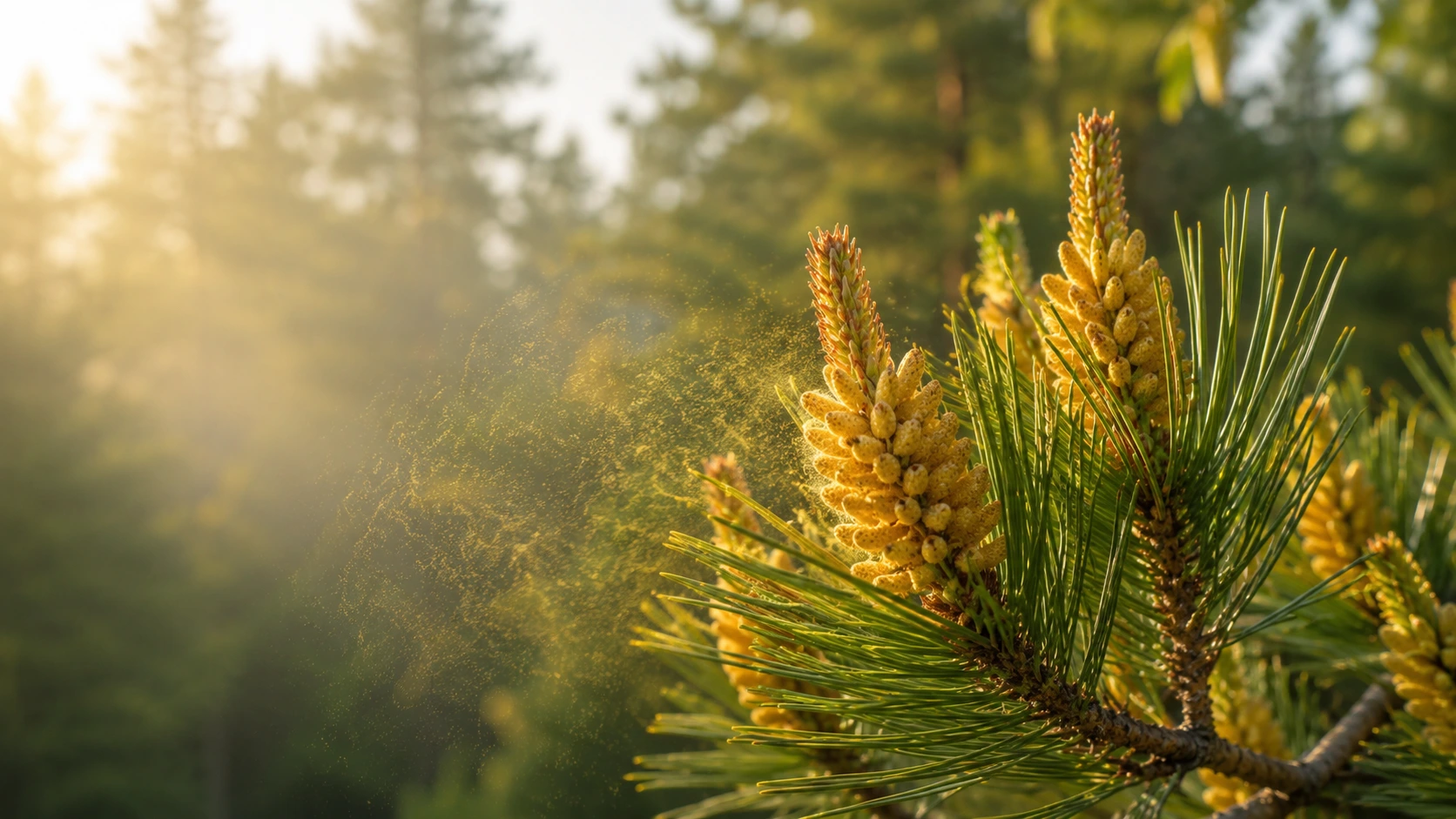
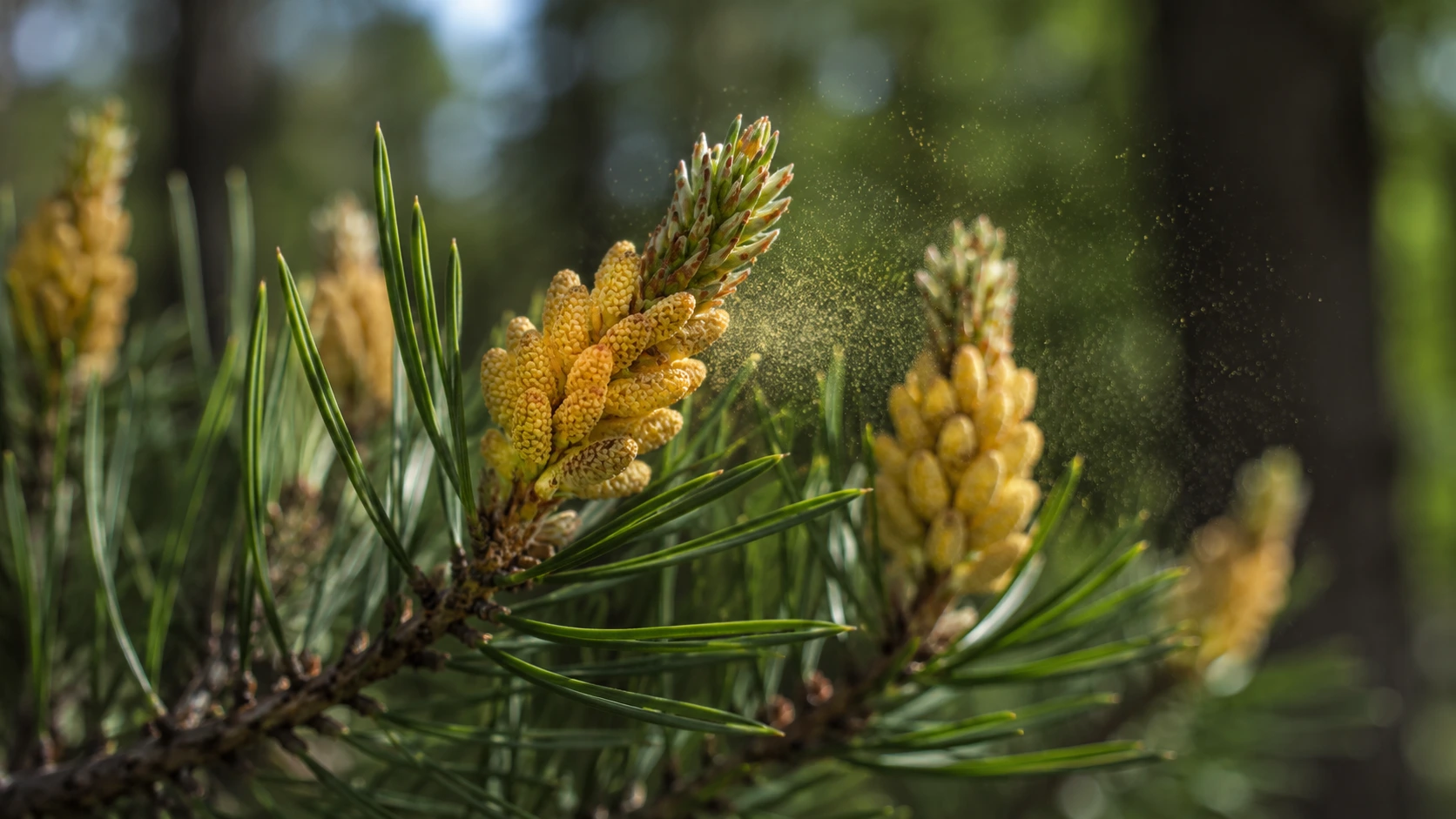
Pine pollen is a microscopic powder produced by the male reproductive structures of trees in the Pinus genus. These structures are often called male cones or pollen cones.
During the pollination season, the cones release large quantities of yellow pollen into the air. Wind carries it toward female cones, where successful pollination can eventually lead to seed development.
The yellow dust sometimes seen on cars, windows, outdoor furniture, and puddles near pine trees is often pine pollen. Each grain is small and light enough to travel through the air, although its size and structure vary among pine species.
Pine pollen has a history of use as a food or traditional ingredient in parts of Asia. Modern supplement companies now process it into powders, capsules, tablets, extracts, and tinctures.
That commercial use has also produced a wide range of claims. Some products are promoted for energy, exercise performance, libido, testosterone, immunity, inflammation, antioxidant support, and healthy aging. These claims should be evaluated separately from the basic fact that pollen contains nutrients.
What Nutrients Does Pine Pollen Contain?
Pollen must carry biological material that supports plant reproduction, so it can contain a complex mixture of nutrients and plant compounds. Research reviews have reported proteins, amino acids, carbohydrates, lipids, fatty acids, minerals, vitamins, polysaccharides, phenolic compounds, enzymes, and pigments in different pine pollen samples.
However, there is no single universal pine pollen composition. Results can change according to the pine species, geography, weather, maturity at harvest, storage, extraction process, and laboratory method.
| Component | General Role | Important Limitation |
|---|---|---|
| Proteins and amino acids | Structural and metabolic building blocks naturally present in pollen. | The amount and amino-acid profile differ between species and products. |
| Carbohydrates | Provide stored energy for the pollen grain. | Commercial extraction can change which carbohydrates remain in the final product. |
| Lipids and fatty acids | Contribute to cell membranes and stored energy. | Presence does not mean a supplement supplies a nutritionally significant dose. |
| Minerals | Studies have identified minerals such as calcium and magnesium in some samples. | Amounts vary and should not be assumed without a verified product analysis. |
| Vitamins | Some analyses report B-group vitamins, vitamin E, or related compounds. | Processing, heat, light, and storage may affect stability. |
| Phenolic compounds | Plant compounds studied for antioxidant activity in laboratory models. | Laboratory antioxidant activity does not automatically equal a clinical health outcome. |
| Polysaccharides | Complex carbohydrates investigated in immune and metabolic research. | Most proposed effects require better confirmation in humans. |
A supplement label may therefore accurately identify pine pollen as a nutrient-containing botanical without proving that the product corrects a deficiency or produces a particular medical effect.
Does Pine Pollen Contain Hormones?
Discussions about pine pollen frequently mention plant steroids or compounds described as phytoandrogens. Analytical research on certain pine species has contributed to this interest, but several distinctions matter.
Detecting a compound in a plant does not establish that every commercial product contains a consistent amount. It also does not prove that the compound survives processing, reaches the bloodstream at an active level, or produces a clinically meaningful hormone change in people.
For that reason, pine pollen should not be described as natural testosterone replacement. Anyone concerned about low testosterone needs symptom assessment and properly timed blood tests rather than relying on a botanical supplement.
How Does Pine Pollen Work?
There is no single proven mechanism that explains every pine pollen claim. A clearer way to understand it is through the stages between the original pollen grain and a possible human health outcome.
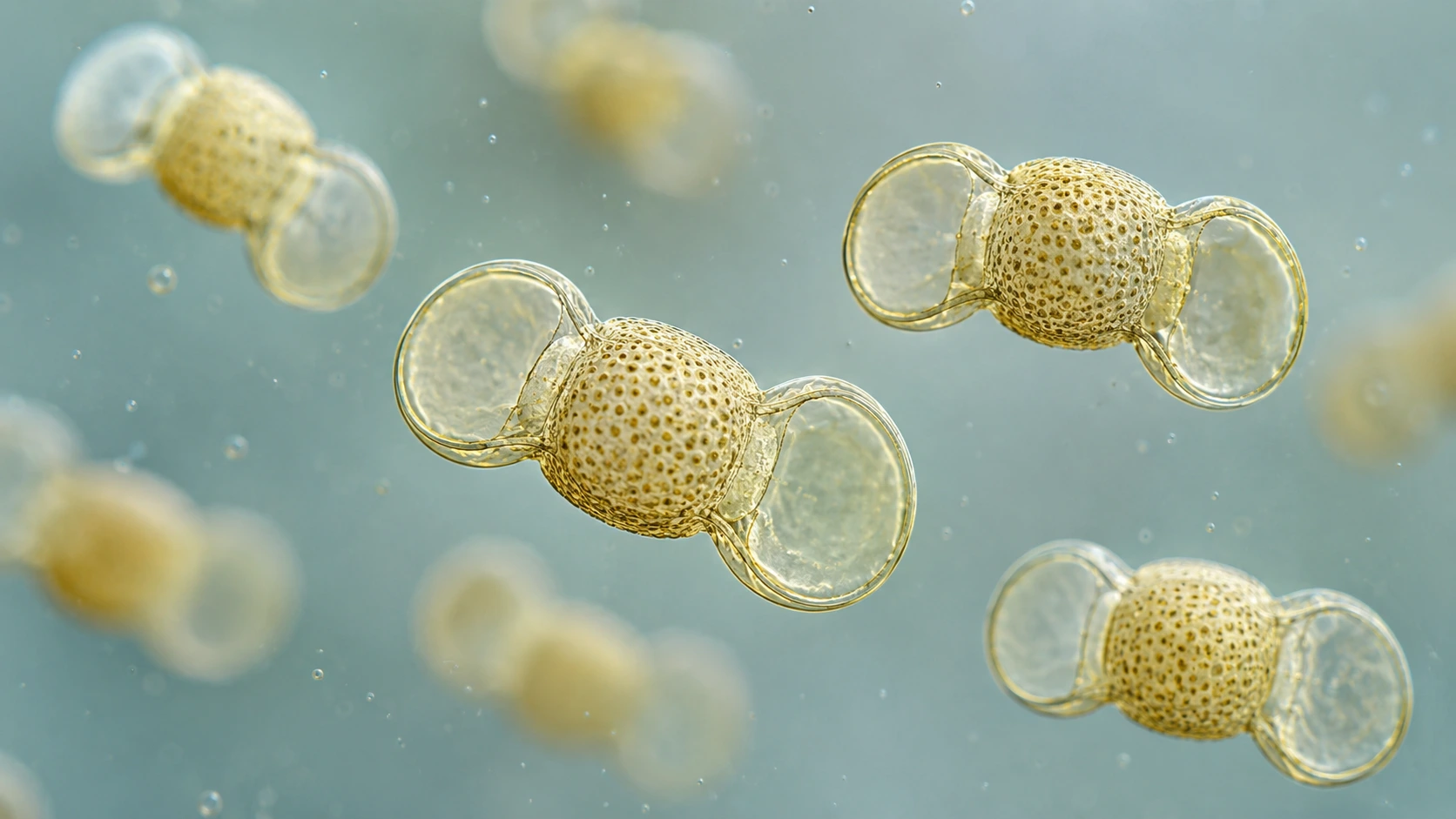
A pollen grain has a protective outer wall surrounding nutrients and reproductive material. That wall helps the grain survive in the environment.
Proteins, carbohydrates, fatty acids, polysaccharides, phenolic compounds, and other constituents may interact differently in laboratory models.
Grinding, cell-wall disruption, water extraction, alcohol extraction, heat, and storage may change which compounds are released or retained.
The body must digest or absorb a constituent at a sufficient dose before it can plausibly produce a systemic effect.
Cell or animal findings may suggest a possible mechanism, but people may metabolize the same compounds differently.
A meaningful benefit requires controlled human evidence showing that the product changes an outcome that matters to users.
Why Do Brands Mention Cracked-Cell Pollen?
The outer wall of a pollen grain is designed to be durable. Some manufacturers mechanically process pollen and describe the result as cracked-cell or broken-wall pollen. The proposed purpose is to expose more of the material inside the grain to digestion.
This processing description may be relevant to product quality, but “cracked cell” is not proof of a health benefit. Buyers should still look for transparent sourcing, contaminant testing, accurate labeling, and evidence related to the finished product.
How Do Tinctures Differ?
A tincture uses a liquid solvent—often alcohol, water, glycerin, or a combination—to extract selected constituents from plant material. It is therefore not nutritionally identical to eating whole pollen powder.
Alcohol may extract some compounds more effectively than plain water, while other constituents may remain behind. The final profile depends on the ratio, extraction time, temperature, filtration, pine species, and plant material used.
What Is Pine Pollen Used For?
People generally use pine pollen for one of three reasons: as a traditional food, as a general botanical supplement, or as a targeted vitality and hormone-support product.
| Common Use | Why Buyers Consider It | Evidence Caution |
|---|---|---|
| General nutrition | Pollen naturally contains a mixture of nutrients and plant compounds. | It should not replace a balanced diet or a diagnosed-deficiency treatment. |
| Antioxidant support | Phenolic compounds and extracts have shown antioxidant activity in laboratory research. | Human clinical outcomes remain insufficiently established. |
| Energy and vitality | Brands often position pine pollen as a non-stimulant wellness supplement. | Persistent fatigue may have medical, sleep, nutritional, psychological, or medication-related causes. |
| Men’s wellness | Interest is driven by hormone, testosterone, exercise, and libido marketing. | It is not established as testosterone therapy or treatment for sexual dysfunction. |
| Healthy aging | Cell and animal studies have examined oxidative stress and aging-related pathways. | These studies cannot prove slower aging or disease prevention in humans. |
| Immune support | Pine pollen polysaccharides have been investigated in preclinical research. | “Immune support” should not be interpreted as treatment for infection or immune disease. |
The most important distinction is between a reason people buy a supplement and an outcome that controlled studies have demonstrated. Search popularity and traditional use can justify further research, but they are not substitutes for human trials.
What Does the Research Actually Show?
Research on pine pollen is broader than many readers realize but less clinically conclusive than some marketing suggests.
Laboratory Studies
Researchers have tested pine pollen extracts, polysaccharides, or isolated constituents in cells and chemical assays. These studies have explored antioxidant activity, inflammatory pathways, glycation, immune signaling, and other mechanisms.
Laboratory findings are useful for identifying possible biological activity. They cannot show whether taking a retail supplement improves energy, libido, testosterone, mood, or long-term health.
Animal Research
Animal studies have investigated metabolic, immune, gastrointestinal, reproductive, and aging-related outcomes. They can provide preliminary safety or mechanism information, but the dose and metabolism may not translate to humans.
Human Evidence
High-quality human evidence remains the main gap. There are not enough large, independently replicated trials to establish pine pollen as an effective treatment for low testosterone, erectile dysfunction, infertility, menopause symptoms, chronic fatigue, diabetes, inflammatory disease, or aging.
| Claim Area | Current Evidence Level | Responsible Interpretation |
|---|---|---|
| Contains nutrients | Supported generally | Composition exists but varies considerably. |
| Antioxidant activity | Preclinical | Observed mainly in assays, cells, extracts, or animals. |
| Immune effects | Preclinical | Interesting mechanisms; clinical benefit remains uncertain. |
| Increases testosterone | Not established | Do not substitute it for blood testing or medical treatment. |
| Improves libido or ED | Not established | Sexual symptoms can have multiple medical and psychological causes. |
| Prevents disease or aging | Not established | Cell and animal findings do not prove disease prevention in people. |
Pine Pollen Powder vs Capsules vs Tincture
The format affects convenience, ingredients, taste, and the type of material consumed. It does not automatically determine whether a product works.
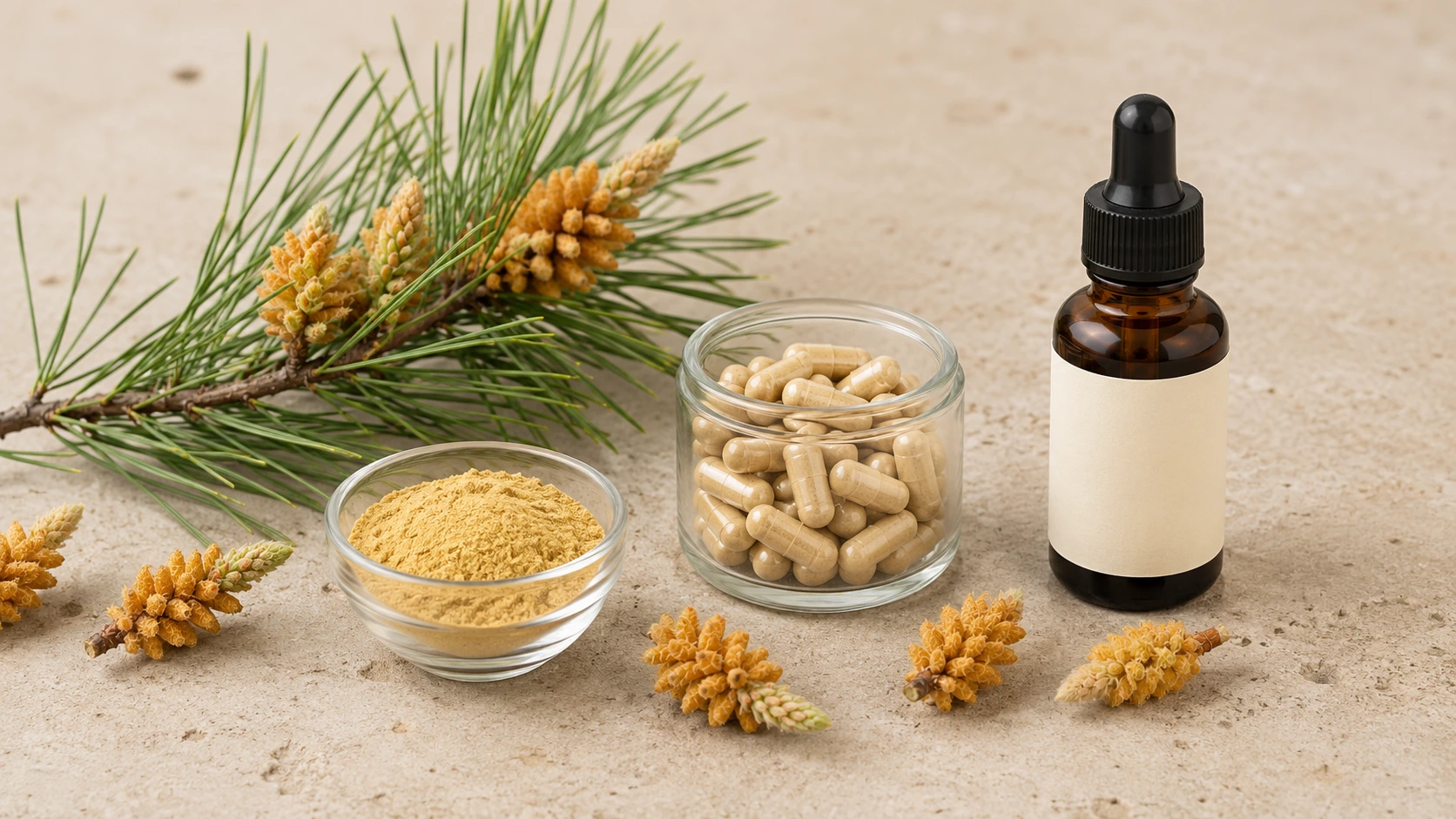
| Format | What It Contains | Advantages | Possible Drawbacks |
|---|---|---|---|
| Whole powder | Dried and milled pollen grains. | Simple format; can be mixed with food or drinks. | Taste, measurement, hard outer pollen wall, and airborne powder exposure. |
| Cracked-cell powder | Mechanically processed pollen intended to disrupt the outer wall. | May expose more internal material to digestion. | Processing quality and stability can vary. |
| Capsules | Measured powder enclosed in a capsule. | Convenient, portable, and less noticeable taste. | Fixed serving size and possible capsule additives. |
| Tincture | Selected constituents extracted into alcohol, water, glycerin, or a mixture. | Easy liquid measurement and no loose powder. | May contain alcohol; not equivalent to the full nutrient profile of powder. |
One commercial example is Boreome’s tincture, which the brand identifies as a combination of Québec jack pine pollen, catkins, alcohol, distilled water, and vegetable glycerin. Readers comparing that specific product can consult our detailed Boreome Pine Pollen Extract review .
That review examines the product’s format, brand claims, sourcing information, buyer fit, limitations, and safety concerns. It should be read as a product evaluation rather than proof that pine pollen produces a medical result.
How to Choose a Pine Pollen Supplement
Because pine pollen composition and processing can vary, product transparency matters more than dramatic benefit claims.
- Check the exact pine species instead of accepting the words “pine pollen” alone.
- Look for the country or region where the pollen was harvested.
- Confirm whether the product is powder, cracked-cell powder, capsule, or extracted tincture.
- Read the entire ingredient list, including alcohol, glycerin, capsule materials, flavors, and sweeteners.
- Look for lot-specific testing for identity, microbial contamination, heavy metals, and other relevant contaminants.
- Check whether a certificate of analysis identifies the batch and testing laboratory.
- Avoid brands that promise guaranteed testosterone, rapid sexual-performance changes, disease reversal, or anti-aging results.
- Verify the serving instructions and avoid assuming that more is better.
- Review return, subscription, renewal, and cancellation terms before purchasing.
- Discuss the product with a clinician or pharmacist when medication or medical conditions are involved.
Does Wild-Harvested Automatically Mean Better?
No. Wild harvesting can provide an appealing sourcing story, but it does not by itself establish purity, potency, sustainability, or clinical effectiveness.
A responsibly evaluated product should combine sourcing transparency with botanical identification, controlled handling, contaminant testing, accurate labeling, and realistic claims.
Does Third-Party Tested Mean Clinically Proven?
No. Third-party laboratory testing may confirm identity, purity, or contaminant levels. It does not prove that the supplement improves testosterone, libido, mood, energy, or any other outcome.
Pine Pollen Side Effects and Safety
The most obvious concern is allergy. Pine pollen exposure can cause symptoms resembling seasonal allergic rhinitis, including sneezing, congestion, runny nose, coughing, and itchy or watery eyes. Pollen exposure may also aggravate asthma in susceptible people.
Urgent symptoms can include trouble breathing, throat or tongue swelling, widespread hives, faintness, or rapidly worsening wheezing. Seek emergency medical care rather than attempting to manage a severe reaction with supplement advice.
Who Should Be Especially Cautious?
- People with pine, tree-pollen, or significant seasonal allergies
- People with asthma or a history of serious allergic reactions
- Pregnant or breastfeeding individuals
- Children and adolescents
- People with hormone-sensitive medical conditions
- Anyone using hormone therapy or medicines affected by hormonal changes
- People who must avoid alcohol-containing products
- Anyone with persistent fatigue, sexual dysfunction, fertility concerns, or suspected low testosterone
The safety of consuming pollen is not identical to breathing airborne pollen, but a history of pollen reactions is still a reason for caution. A qualified allergist can provide individualized advice when allergy risk is unclear.
Can Pine Pollen Interact With Medication?
Reliable interaction data are limited. Limited data should not be interpreted as proof that no interaction exists. A pharmacist or clinician should review the full ingredient list when someone uses prescription medication, hormone treatment, or multiple supplements.
When Should Symptoms Be Medically Assessed?
Persistent low energy, loss of libido, erectile problems, menstrual changes, hot flashes, infertility, reduced exercise capacity, depressed mood, and sleep problems can have many causes. Evaluation may involve sleep, mental health, nutrition, medication, cardiovascular health, thyroid function, or appropriately timed hormone testing.
A supplement may delay useful diagnosis when it is used as a substitute for that assessment.
Potential Advantages and Limitations
- Naturally contains a variety of nutrients and plant compounds.
- Available in several formats for different preferences.
- Provides an interesting subject for antioxidant and botanical research.
- Some products offer transparent sourcing and batch testing.
- May suit adults who want to explore a botanical supplement with realistic expectations.
- Composition varies by species, source, harvest, and processing.
- Human evidence for major health claims remains limited.
- It can cause allergic symptoms or aggravate asthma.
- Tinctures may contain alcohol.
- It is not a replacement for hormone therapy or medical treatment.
- Supplement quality and claim standards vary between brands.
Considering a Pine Pollen Tincture?
Our buyer-focused Boreome review examines the product’s ingredients, tincture format, sourcing claims, strengths, drawbacks, and the people who may be better served by another route.
Read the Boreome Review →Balanced product analysis · No invented rating · Safety limitations included
Frequently Asked Questions
Pine pollen is the fine yellow reproductive powder released from male pine cones. It carries plant material needed to pollinate female cones and is also processed into nutritional supplements.
No. Pine pollen comes specifically from pine trees. Bee pollen is collected by bees from many possible flowering plants and usually includes nectar or bee-derived material. Their composition and allergy risks can differ.
Different samples may contain proteins, amino acids, carbohydrates, fatty acids, minerals, vitamins, polysaccharides, and phenolic compounds. Exact amounts vary by species and processing, so a generic nutrient list cannot verify the content of a particular product.
There is not enough strong human evidence to treat pine pollen as a reliable testosterone booster. It should not replace blood testing, medical diagnosis, or prescribed testosterone therapy.
Libido is a common marketing angle, but a consistent clinical benefit has not been established. Low libido can be related to stress, sleep, medication, relationships, mood, cardiovascular health, or hormonal conditions.
Neither format is universally better. Powder contains more of the whole pollen material, while a tincture extracts selected compounds into liquid. The best choice depends on ingredients, allergy risk, alcohol preferences, testing, and intended use.
Yes. Pine pollen can trigger nasal, eye, respiratory, or asthma symptoms in susceptible people. Anyone with significant pollen allergy or asthma should consult a qualified healthcare professional before using a pollen supplement.
There is no universally established clinical dose for the broad benefits promoted online. Follow the verified product label and obtain professional guidance rather than combining products or increasing the serving in pursuit of faster results.
The Bottom Line
Pine pollen is a nutrient-containing reproductive material produced by male pine cones. Its composition and the compounds present in a finished supplement depend on the species, harvest, processing method, storage, and product format.
Laboratory and animal studies make pine pollen an interesting research subject, especially in antioxidant, immune, metabolic, and aging-related fields. However, these findings do not establish that commercial pine pollen supplements increase testosterone, correct hormone imbalance, improve erectile dysfunction, or prevent disease in humans.
Adults who still wish to explore pine pollen should prioritize transparent sourcing, a complete ingredient list, meaningful contaminant testing, restrained claims, and professional advice when allergy, medication, or medical concerns apply.
For product-specific research, read our Boreome Pine Pollen Extract review . More related guides and evaluations are available in our sexual wellness product reviews and on the HealthAffPro homepage .
How This Guide Was Prepared
This guide was prepared by reviewing scientific literature about pine pollen composition and biological research, authoritative allergy information, and official product details where a commercial example was discussed.
The evaluation separated laboratory evidence, animal research, human evidence, traditional use, and brand claims. No personal testing or clinical evaluation of a pine pollen product was conducted.
Sources and References
- Pine pollen: A review of its chemical composition, health effects, processing and food applications
- Review of research involving pine pollen in Chinese herbal medicine
- Allergenicity and cross-reactivity of pine pollen
- American College of Allergy, Asthma & Immunology: Pine tree allergy
- CDC: Pollen and your health
- Boreome official product information
Last Updated: July 2026 · HealthAffPro
 ✓
✓