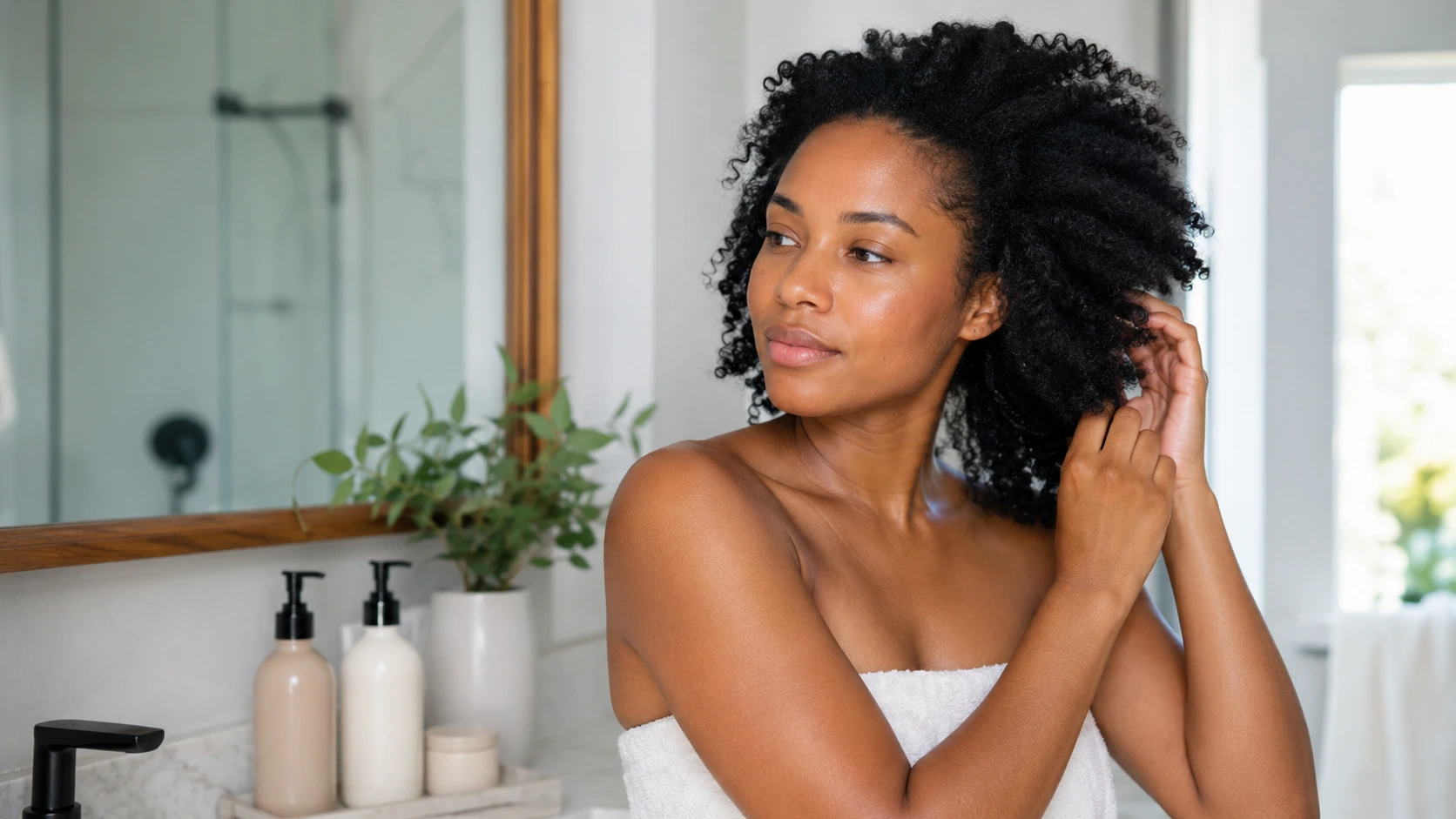
Non comedogenic hair care is designed to be less likely to clog pores when shampoo, conditioner, scalp products, oils, or styling products touch your skin. For people with sensitive skin, acne-prone skin, scalp sensitivity, hairline breakouts, or back acne, this kind of skin friendly hair care can make the difference between a routine that only makes hair look good and one that supports both hair and skin comfort.
Quick answer: Non-comedogenic hair care means hair products are formulated to be less likely to clog pores or contribute to breakouts when product residue touches the skin. It matters for sensitive skin because shampoos, conditioners, oils, sprays, and styling products can transfer to the hairline, face, neck, shoulders, chest, and back.
TL;DR
- Non comedogenic hair care means hair products are designed to be less likely to clog pores.
- It is especially useful for sensitive skin, acne-prone skin, breakout-prone skin, and people who get hairline or back breakouts.
- Non comedogenic shampoo, conditioner, and styling products may reduce pore-clogging residue, but no label guarantees zero reaction.
- Fragrance-free hair care, hypoallergenic hair products, and dermatologist tested hair products may be better fits for reactive skin.
- The best routine is simple: rinse thoroughly, keep heavy products away from skin, wash face and body after hair care, and test one new product at a time.
Table of Contents
- What does non-comedogenic hair care mean?
- Why does non-comedogenic hair care matter for sensitive skin?
- How can hair products clog pores?
- Sensitive skin vs acne-prone skin: what is the difference?
- Which hair products should be non-comedogenic?
- What ingredients should sensitive skin avoid?
- How to read hair care labels
- Comparison table: regular vs non-comedogenic hair care
- Best non-comedogenic hair care routine
- Buyer decision guide
- Common mistakes
- Expert-style insight
- Trusted sources
- FAQs
- Conclusion
If your skin breaks out around the hairline, forehead, cheeks, neck, shoulders, chest, or back, your hair routine may deserve a closer look. Many people carefully choose facial skincare but forget that hair products also touch the skin. Shampoo runs across the forehead. Conditioner rinses down the back. Leave-in conditioner touches the neck. Hair oil transfers to pillowcases. Styling cream sits near the temples. Over time, that residue can matter.
That is where non comedogenic hair care becomes useful. It is not just a trendy beauty label. It is a practical way to think about shampoo, conditioner, scalp care, and styling products if you have sensitive skin or acne-prone skin.
For related context, you can also read this guide on hair products causing acne. You can explore more articles in the Hair Care category or browse broader Health & Wellness content on HealthAffPro.
What Does Non-Comedogenic Hair Care Mean?
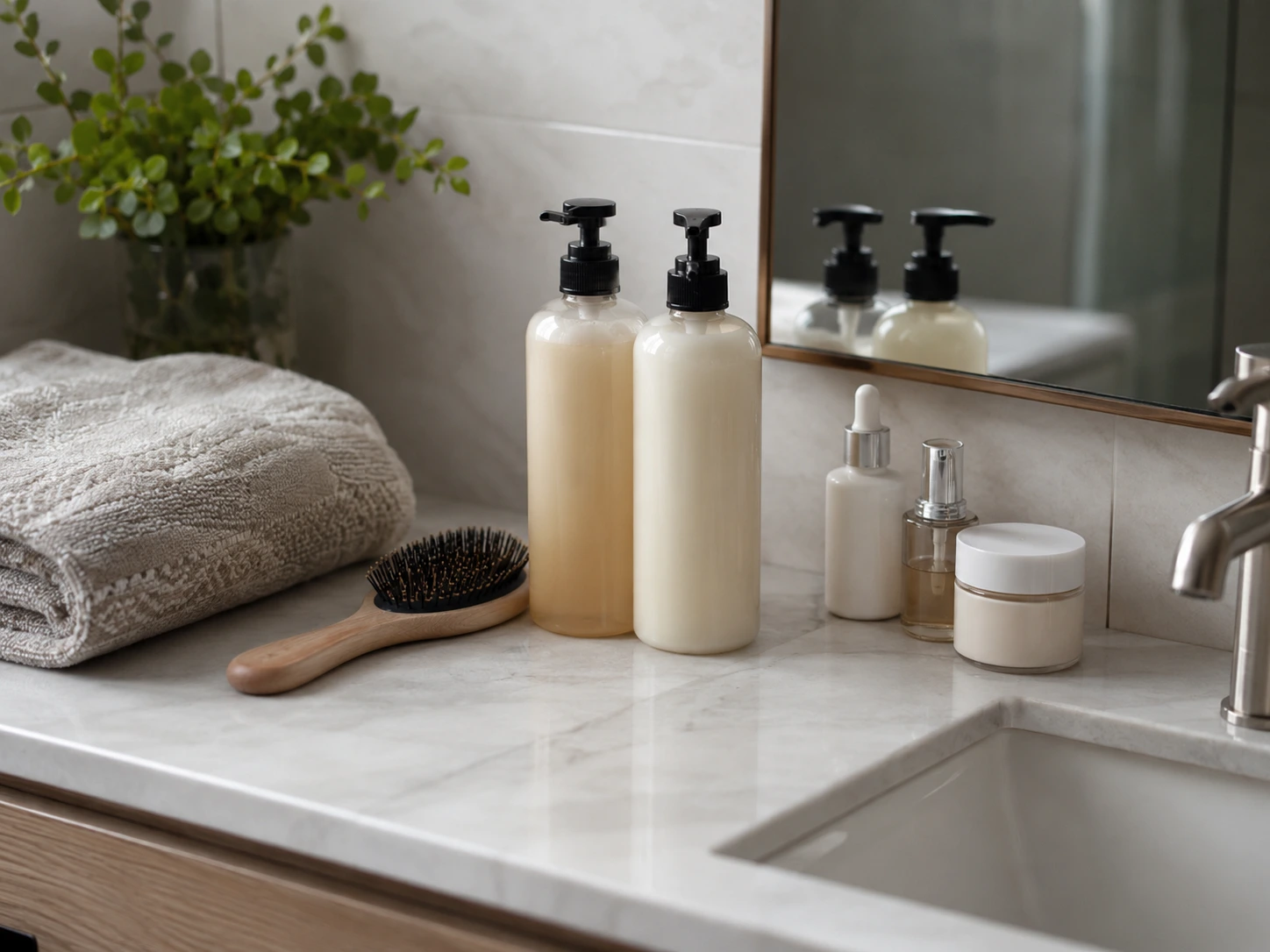
Non-comedogenic means a product is designed to be less likely to clog pores. In hair care, this usually refers to shampoos, conditioners, scalp products, oils, leave-ins, gels, sprays, creams, and styling products that are less likely to contribute to pore blockage when they touch the skin.
The word comes from “comedone,” which refers to a clogged pore. A comedone can become a blackhead, whitehead, or small bump. When a product is described as non-comedogenic, the idea is that it should be less likely to create that kind of pore-clogging problem.
For hair care, this matters because hair products do not stay only on the hair. They can touch the scalp, hairline, forehead, cheeks, jawline, neck, shoulders, chest, and back. They can also transfer to hats, pillowcases, towels, bonnets, scarves, helmets, and workout clothes.
Example
A non comedogenic conditioner is usually designed to condition hair without leaving a heavy pore-clogging film on the skin. This can be helpful if you often get back or shoulder breakouts after showering.
Real-world use
If you are acne-prone or sensitive, do not only ask, “Will this make my hair soft?” Also ask, “What happens if this touches my forehead, back, neck, or pillowcase?” That question helps you choose more skin friendly hair care.
Important note
Non-comedogenic does not mean a product is medically guaranteed to never break anyone out. It means the formula is intended to be less likely to clog pores. Your skin type, hair type, product amount, rinse habits, and contact time still matter.
Why Does Non-Comedogenic Hair Care Matter for Sensitive Skin?
Non comedogenic hair care matters for sensitive skin because sensitive skin tends to react more easily to residue, fragrance, harsh surfactants, heavy oils, waxes, preservatives, essential oils, and other cosmetic ingredients. A formula that feels normal to one person may trigger itching, redness, bumps, dryness, burning, clogged pores, or breakouts in another person.
Sensitive skin hair care is not only about avoiding acne. It is also about reducing irritation. Some people are not dealing with classic acne at all. They may be dealing with contact dermatitis, scalp sensitivity, fragrance sensitivity, or a damaged skin barrier. That is why gentle hair care products and fragrance free hair care can be so helpful for reactive skin.
Example
You use a strongly scented shampoo. Your hair smells great, but your scalp feels itchy and your neck becomes irritated. The issue may not be pore-clogging alone. It may be sensitivity to fragrance or another ingredient in the formula.
Real-world use
If your skin is sensitive, look for formulas that combine multiple helpful signals: non-comedogenic, fragrance-free, hypoallergenic, dermatologist tested, oil-free, gentle, and suitable for sensitive skin. These labels are not perfect, but they can help you shop more carefully.
Acne-prone skin
Needs products that are less likely to clog pores or leave heavy residue.
Sensitive skin
Needs products that are less likely to irritate or trigger redness, itching, or burning.
Breakout-prone scalp
Needs balanced cleansing and lightweight scalp care that does not build up heavily.
How Can Hair Products Clog Pores?
Hair products can clog pores when ingredients or residue sit on the skin long enough to mix with oil, sweat, dead skin cells, and friction. This can happen even if the product was not applied directly to the face.
Many hair products are designed to coat the hair shaft. That coating can smooth frizz, add shine, reduce dryness, define curls, or create hold. But when the same coating ends up on acne-prone skin, it can create problems.
Common transfer points
- Hairline: styling creams, pomades, gels, sprays, dry shampoo, and scalp products.
- Forehead: bangs, face-framing pieces, leave-in conditioner, oils, and hair touching skin.
- Cheeks and jawline: long hair, pillowcase transfer, and overnight products.
- Neck: leave-ins, oils, fragrance, hairspray, and hair resting on the skin.
- Shoulders and back: conditioner runoff, masks, oils, and rinse-off product residue.
- Scalp: product buildup, sweat, dry shampoo, heavy oils, and infrequent cleansing.
Example
You apply a rich curl cream after every wash day. It makes curls look defined, but it also touches your neck and pillowcase. After a few weeks, you notice bumps along the side of your face and neck.
Real-world use
Use less product near the face. Apply leave-ins below ear level when possible. Wash your face and body after rinsing hair products. Change pillowcases more often if you use oils, creams, or overnight treatments.

Sensitive Skin vs Acne-Prone Skin: What Is the Difference?
Sensitive skin and acne-prone skin can overlap, but they are not the same thing. Acne-prone skin is more likely to develop clogged pores, whiteheads, blackheads, pimples, and inflamed bumps. Sensitive skin is more likely to react with stinging, redness, itching, burning, dryness, rash-like irritation, or discomfort.
Someone can have one, both, or neither. That is why hair products for sensitive skin are not always the same as hair products for acne prone skin. A product may be non-comedogenic but still fragranced. Another product may be fragrance-free but still too heavy for acne-prone skin.
Example
A person with sensitive skin may react to a fragranced shampoo with itching. A person with acne-prone skin may react to a heavy leave-in cream with clogged pores. A person with both may need fragrance free hair care and non pore clogging hair products.
Real-world use
If your skin gets both irritation and breakouts, choose formulas that are gentle and lightweight. Look for non comedogenic hair products that are also fragrance-free or designed for sensitive skin.
| Skin Type | Common Reaction | Hair Care Priority |
|---|---|---|
| Acne-prone skin | Clogged pores, whiteheads, pimples, hairline bumps | Non comedogenic hair care and lightweight styling products |
| Sensitive skin | Redness, burning, itching, dryness, irritation | Fragrance-free, hypoallergenic, gentle hair care products |
| Acne-prone sensitive skin | Breakouts plus irritation or stinging | Skin friendly hair care that is both gentle and non-pore-clogging |
| Sensitive scalp | Itching, tightness, flaking, soreness, bumps | Sensitive scalp shampoo, gentle cleansing, and less buildup |
Which Hair Products Should Be Non-Comedogenic?
The most important products to evaluate are the ones that touch your skin often or stay on your hair for a long time. Rinse-off products matter, but leave-in products often deserve even closer attention because they have more time to transfer onto the skin.
Non comedogenic shampoo
A non comedogenic shampoo is useful if you get hairline acne, scalp bumps, forehead breakouts, or irritation after washing. Shampoo can run over the forehead, temples, neck, shoulders, and back, so a gentle formula matters.
Example: If a strongly scented shampoo makes your scalp itch and your hairline break out, a fragrance-free non comedogenic shampoo may be a better fit.
Real-world use: Rinse shampoo thoroughly and avoid letting lather sit on the hairline longer than needed.
Non comedogenic conditioner
A non comedogenic conditioner is important because conditioner is designed to coat and soften hair. Rich conditioners can leave residue on the back, shoulders, neck, and face if they are not rinsed carefully.
Example: You notice upper-back bumps after using a deep conditioner. A lighter non comedogenic conditioner may reduce the issue.
Real-world use: Apply conditioner from mid-lengths to ends, rinse well, and wash your body after rinsing your hair.
Non comedogenic scalp care
Non comedogenic scalp care matters if you use scalp oils, serums, exfoliants, or leave-on treatments. Heavy scalp products can build up around follicles and may contribute to bumps for some people.
Example: A thick scalp oil may feel soothing at first but can leave the scalp greasy and congested if used too often.
Real-world use: Choose lightweight scalp products and avoid leaving heavy oils on the scalp for long periods unless directed by a professional.
Non comedogenic hair styling products
Styling products are especially important because they usually stay in the hair. Gels, creams, sprays, waxes, pomades, edge-control products, curl creams, and leave-ins can transfer to the hairline, face, pillowcase, neck, and shoulders.
Example: A pomade applied daily to the hairline may contribute to small bumps along the forehead.
Real-world use: Keep styling products away from direct skin contact and wipe the hairline after styling.
What Ingredients Should Sensitive Skin Avoid in Hair Products?
There is no single ingredient list that works for everyone. A product can irritate one person and be perfectly fine for another. Still, sensitive and acne-prone users should be more cautious with heavy, fragranced, greasy, waxy, or harsh formulas.
Ingredients and formula types to watch
- Heavy oils: Some hair oils can transfer to the face, neck, pillowcase, or back and may be too rich for acne-prone skin.
- Butters and waxes: These can be useful for texture and hold, but they may sit heavily around the hairline.
- Pomades and edge-control products: These are often applied close to the skin and may contribute to hairline bumps.
- Strong fragrance: Fragrance can trigger sensitivity or irritation in some people, especially those with reactive skin.
- Essential oils: Natural does not always mean gentle. Some essential oils can irritate sensitive skin.
- Heavy leave-in creams: These can transfer to the face, neck, shoulders, and bedding.
- Harsh cleansing formulas: Some shampoos may leave sensitive skin dry, tight, itchy, or uncomfortable.
Example
A “clean” hair oil with botanical extracts may still trigger bumps if it sits on acne-prone skin overnight. A “natural” fragrance blend may still irritate a sensitive scalp.
Real-world use
Do not judge a hair product only by marketing words like clean, natural, botanical, salon-quality, or luxury. Read the label, consider where the product will touch your skin, and introduce one new product at a time.
Skin note: If a product causes burning, swelling, rash-like irritation, severe itching, painful bumps, or worsening acne, stop using it and consider speaking with a dermatologist.
How to Read Hair Care Labels for Sensitive and Acne-Prone Skin
Hair care labels can be confusing. Many products use attractive claims, but not every claim means the same thing. When shopping for hair products for sensitive skin, focus on claims that directly relate to pore-clogging, irritation, fragrance, and skin tolerance.
Helpful label terms
- Non-comedogenic: Designed to be less likely to clog pores.
- Oil-free: May be useful for people who break out from hair oils or greasy formulas.
- Fragrance-free: Often better for sensitive skin than heavily scented formulas.
- Hypoallergenic: Designed to reduce allergy risk, though it does not guarantee no reaction.
- Dermatologist tested: Indicates the product has been evaluated under dermatologist-related testing conditions.
- For sensitive skin: Suggests the formula is made with reactive users in mind.
- Suitable for acne-prone skin: A helpful signal for breakout-prone users.
Label terms to question
- Clean: Can mean different things depending on the brand.
- Natural: Does not automatically mean non-comedogenic or non-irritating.
- Unscented: May still contain masking fragrance. Fragrance-free is usually clearer for sensitive skin.
- Moisturizing: Can be good for dry hair, but very rich formulas may be heavy on acne-prone skin.
Example
A bottle says “clean botanical moisture,” but the product is thick, fragranced, and oil-heavy. That may be fine for dry hair, but it may not be ideal if your forehead, neck, or back breaks out easily.
Real-world use
For acne prone skin hair care, prioritize clear claims like non-comedogenic, fragrance-free, oil-free, and suitable for sensitive skin over vague beauty marketing terms.
Comparison Table: Regular vs Non-Comedogenic Hair Care
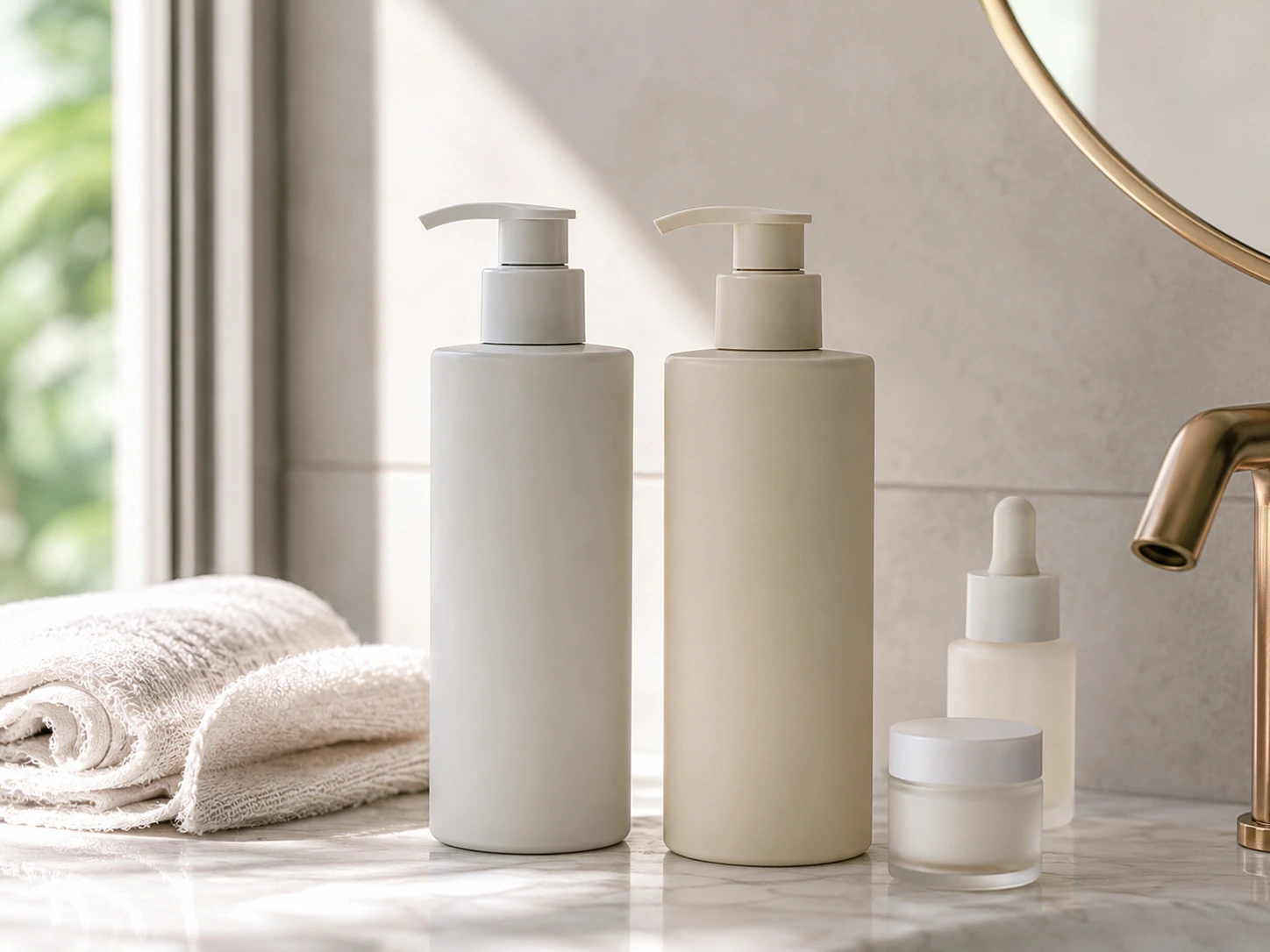
The difference between regular hair care and non comedogenic hair care is not always visible from the bottle. The real difference is how the formula is designed to behave when it touches skin.
| Feature | Regular Hair Care | Non-Comedogenic Hair Care |
|---|---|---|
| Main goal | Clean, condition, style, smooth, or add shine to hair | Support hair goals while reducing pore-clogging risk |
| Skin focus | May not consider acne-prone or sensitive skin | Designed with skin contact and pore safety in mind |
| Texture | Can be rich, oily, waxy, heavy, or highly fragranced | Often lighter, cleaner-rinsing, and less residue-heavy |
| Best for | People without skin sensitivity or breakout concerns | People with acne-prone, sensitive, or breakout-prone skin |
| Common products | Standard shampoo, conditioner, oils, gels, masks, sprays | Non comedogenic shampoo, conditioner, scalp care, and styling products |
| Risk area | Hairline, forehead, neck, shoulders, chest, back, scalp | Lower risk when used properly, but still depends on your skin |
Best Non-Comedogenic Hair Care Routine for Sensitive Skin
A good non comedogenic hair care routine should protect your skin without ruining your hair. The goal is not to use the fewest products possible. The goal is to use the right products in the right places.
Step 1: Start with a gentle shampoo
Choose a non comedogenic shampoo or a gentle shampoo for sensitive skin. If your scalp reacts easily, consider fragrance-free or sensitive scalp shampoo options.
Example: If your scalp feels tight or itchy after washing, your shampoo may be too harsh or too fragranced.
Real-world use: Massage shampoo into the scalp, rinse thoroughly, and avoid letting residue sit along the hairline.
Step 2: Use conditioner strategically
Conditioner is important for many hair types, but it should not sit all over acne-prone skin. Apply it from mid-lengths to ends unless your scalp specifically needs conditioning.
Example: If your back breaks out after wash day, conditioner runoff may be a trigger.
Real-world use: Rinse conditioner fully, clip hair away from your back, and wash your body after rinsing your hair.
Step 3: Keep leave-ins away from the face
Leave-in products are more likely to transfer because they stay on the hair. This includes leave-in conditioner, curl cream, smoothing cream, styling lotion, heat protectant, and hair oil.
Example: A leave-in conditioner applied to bangs can transfer directly to the forehead.
Real-world use: Apply leave-ins below the ears when possible and use the smallest effective amount.
Step 4: Choose skin friendly styling products
Non comedogenic hair styling products are especially useful if you get hairline acne. Pomades, waxes, gels, and sprays can sit close to the skin for hours.
Example: Edge-control product applied directly to the skin can contribute to bumps along the hairline.
Real-world use: Apply styling products to hair, not skin. Wipe the hairline gently after styling.
Step 5: Clean what touches your hair and skin
Your pillowcase, bonnet, towel, hat, helmet, scarf, and hairbrush can collect hair product residue. If your skin is breakout-prone, these items matter.
Example: A pillowcase can collect oils, leave-in conditioner, hairspray, and sweat.
Real-world use: Change pillowcases regularly, wash hair accessories, and clean brushes that touch styling products.
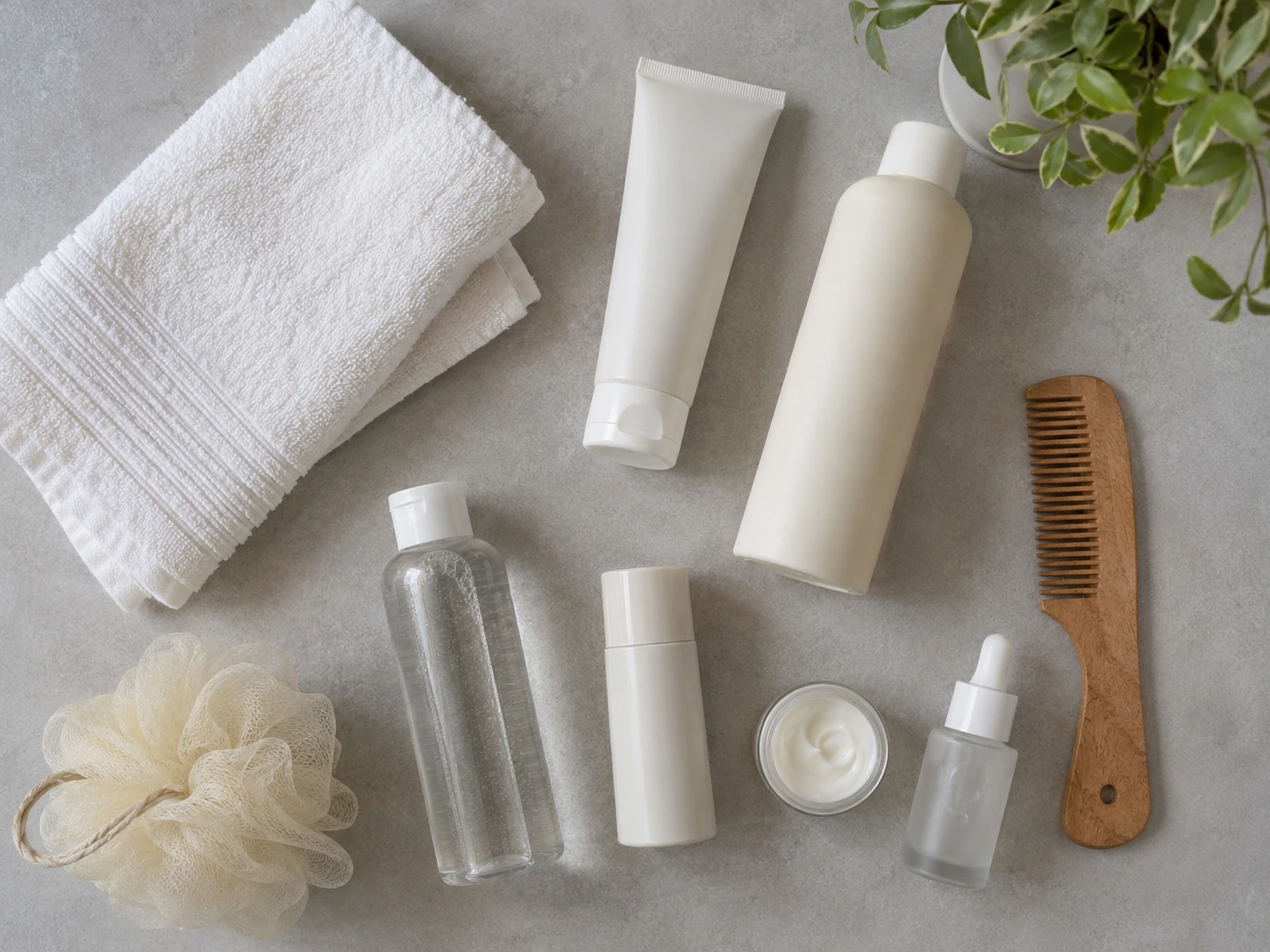
Buyer Decision Guide: How to Choose Non-Comedogenic Hair Products
Choosing non comedogenic hair products is easier when you match the product to both your hair type and your skin risk. A curly hair routine, oily scalp routine, dry hair routine, and sensitive scalp routine may all look different.
Mini buyer checklist
- Does the product clearly say non-comedogenic or non pore clogging?
- Is it suitable for sensitive skin or acne-prone skin?
- Is it fragrance-free if your skin reacts easily?
- Is the texture lightweight instead of greasy, waxy, or heavy?
- Will the product touch your hairline, forehead, cheeks, neck, shoulders, chest, or back?
- Is the product rinse-off or leave-in?
- Can you apply it only to the mid-lengths and ends?
- Are you introducing one new product at a time?
- Can you stop using it easily if your skin reacts?
- Does your scalp need gentle cleansing, more moisture, or less buildup?
Best choice by skin concern
| Concern | Look For | Be Careful With |
|---|---|---|
| Hairline breakouts | Non comedogenic hair styling products and lightweight gels | Pomades, waxes, heavy edge control, oily creams |
| Forehead acne | Lightweight leave-ins and hair kept off the forehead | Bangs with oils, sprays, or rich creams |
| Back acne | Non comedogenic conditioner and body wash after hair rinsing | Heavy masks and conditioner runoff |
| Sensitive scalp | Sensitive scalp shampoo and fragrance-free formulas | Strong fragrance, harsh cleansing, heavy scalp oils |
| Reactive skin | Hypoallergenic hair products and dermatologist tested hair products | Essential oils, masking fragrance, complex botanical blends |
| Oily scalp | Balanced cleansing and lightweight scalp care | Too much dry shampoo, heavy oils, product buildup |
For more practical wellness and personal care education, visit HealthAffPro.
Common Mistakes When Choosing Hair Products for Sensitive Skin
Mistake 1: Thinking “clean” always means non-comedogenic
Clean hair care for sensitive skin can still contain oils, butters, fragrance, or botanical extracts that do not work for your skin. Clean does not automatically mean pore-safe.
Mistake 2: Ignoring conditioner residue
Conditioner is one of the easiest products to overlook. If it rinses down your back and stays there, it may contribute to shoulder, chest, or back breakouts.
Mistake 3: Applying styling products directly to the hairline
Styling products can sit on the skin all day. Heavy gels, waxes, pomades, and edge-control products are common suspects when bumps appear around the hairline.
Mistake 4: Choosing fragrance when your skin is reactive
Fragrance can be a problem for sensitive skin. If you get itching, burning, redness, or rash-like irritation, fragrance-free hair care may be a better option.
Mistake 5: Testing too many new products at once
If you switch shampoo, conditioner, leave-in, gel, oil, and skincare at the same time, you will not know what caused the reaction. Test one product at a time.
Mistake 6: Forgetting pillowcases and hair tools
Hair product residue can build up on pillowcases, bonnets, towels, scarves, hats, helmets, brushes, and combs. These can keep reintroducing residue to your skin.
Mistake 7: Assuming oil-free always means safe
Oil-free hair products can still contain other ingredients that irritate sensitive skin or leave residue. Oil-free can help, but it is not the only factor.
Expert-Style Insight: Product Contact Time Is the Hidden Factor
When evaluating non comedogenic hair care, the most important question is not just what is inside the bottle. It is how long the product stays in contact with your skin.
A rinse-off shampoo that touches your forehead for a few seconds may be less risky than a leave-in cream that touches your cheek, neck, and pillowcase for eight hours. A conditioner that is fully rinsed and followed by body wash may be less risky than the same conditioner left as residue on your back.
For sensitive and acne-prone skin, think in three layers: formula, placement, and time. A good formula helps. Smart placement helps more. Reducing long skin contact often makes the biggest difference.
A simple 14-day reset test
- Days 1–3: Keep your current products, but wash your face and body after your hair routine.
- Days 4–7: Keep conditioner away from your scalp, forehead, neck, shoulders, and back as much as possible.
- Days 8–10: Remove the heaviest leave-in, oil, pomade, or styling cream from your routine.
- Days 11–14: Switch one product to a fragrance-free or non comedogenic option if breakouts or irritation continue.
This kind of reset can help you see whether your skin improves from better technique, lighter products, or fewer leave-on formulas.
Trusted Sources and Further Reading
FAQs
What is non-comedogenic hair care?
Non-comedogenic hair care means shampoos, conditioners, scalp products, and styling products are formulated to be less likely to clog pores when they touch the skin. It is especially useful for people with acne-prone or sensitive skin.
What does non-comedogenic mean in hair products?
In hair products, non-comedogenic means the formula is intended to reduce the chance of pore-clogging residue. This matters because hair products can transfer to the hairline, forehead, face, neck, shoulders, chest, and back.
Why does non-comedogenic hair care matter for sensitive skin?
It matters because sensitive skin may react more easily to residue, fragrance, oils, waxes, and heavy styling products. Non-comedogenic and gentle hair care can help reduce clogged pores, irritation, and product-related breakouts.
Can hair products clog pores?
Yes. Hair products can clog pores when residue from shampoo, conditioner, oils, creams, gels, sprays, pomades, or leave-in products touches the skin and mixes with sweat, oil, and dead skin cells.
Is non-comedogenic shampoo better for acne-prone skin?
Non-comedogenic shampoo may be better for acne-prone skin because it is designed to be less likely to leave pore-clogging residue around the scalp, hairline, forehead, neck, and back.
Is non-comedogenic conditioner better for sensitive skin?
It can be a better choice, especially if your skin breaks out or gets irritated from conditioner residue. A lightweight non-comedogenic conditioner may reduce the chance of clogged pores on the neck, shoulders, chest, and back.
Are fragrance-free hair products better for sensitive skin?
Fragrance-free hair products are often better for sensitive skin because fragrance can trigger irritation or sensitivity in some people. If your scalp or skin reacts easily, fragrance-free formulas are worth considering.
How do I choose non-comedogenic hair products?
Look for labels such as non-comedogenic, fragrance-free, oil-free, hypoallergenic, dermatologist tested, suitable for sensitive skin, or suitable for acne-prone skin. Choose lightweight formulas and introduce one new product at a time.
Conclusion: Non-Comedogenic Hair Care Is About Protecting Your Skin While Caring for Your Hair
Non comedogenic hair care is important because hair products do not only affect your hair. They also touch your scalp, hairline, face, neck, shoulders, chest, back, pillowcases, towels, hats, and hair tools. For people with sensitive skin or acne-prone skin, that contact can lead to irritation, clogged pores, or breakouts.
The smartest approach is not to panic over every ingredient. Instead, focus on product type, texture, placement, and contact time. Use non comedogenic shampoo and conditioner when possible. Choose fragrance free hair care if your skin is reactive. Keep oils, creams, pomades, and styling products away from your skin. Rinse thoroughly. Wash your face and body after hair care. Change pillowcases often.
If you are trying to build a sensitive skin hair care routine, start simple. Replace one high-risk product at a time, watch your skin for two to three weeks, and keep what works. Over time, the right acne safe hair products can help you care for your hair without constantly fighting clogged pores, hairline bumps, or skin irritation.
For more practical guides, visit HealthAffPro, explore the Health & Wellness category, or browse more articles in Hair Care.
 ✓
✓