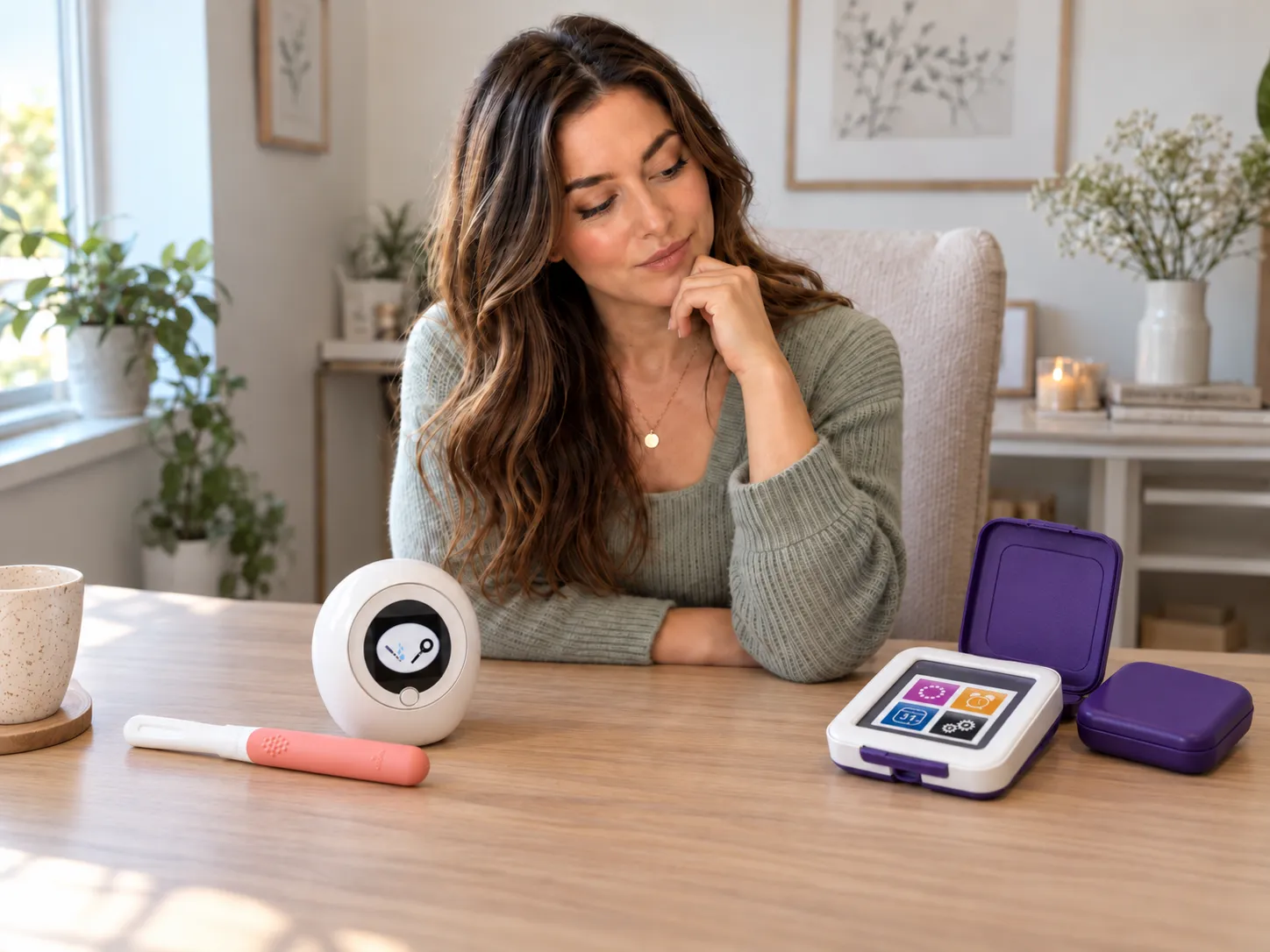
If you are already comparing Mira and Clearblue, the decision is not really about which product sounds more advanced. It is whether Mira’s deeper hormone data will change what you do enough to justify a more involved and more expensive testing routine.
This comparison is Mira Ultra4 vs the Clearblue Fertility Monitor with Touch Screen, not Clearblue’s separate Advanced Digital ovulation test.
Quick Verdict
Choose Clearblue if: you mainly want a simple Low, High or Peak fertility answer and do not need to study daily hormone numbers.
Choose Mira Ultra4 if: you specifically want numerical LH, E3G, PdG and FSH trends and have a reason to use that extra information.
Choose neither if: inexpensive LH strips already give you enough timing information and more data would not change your next step.
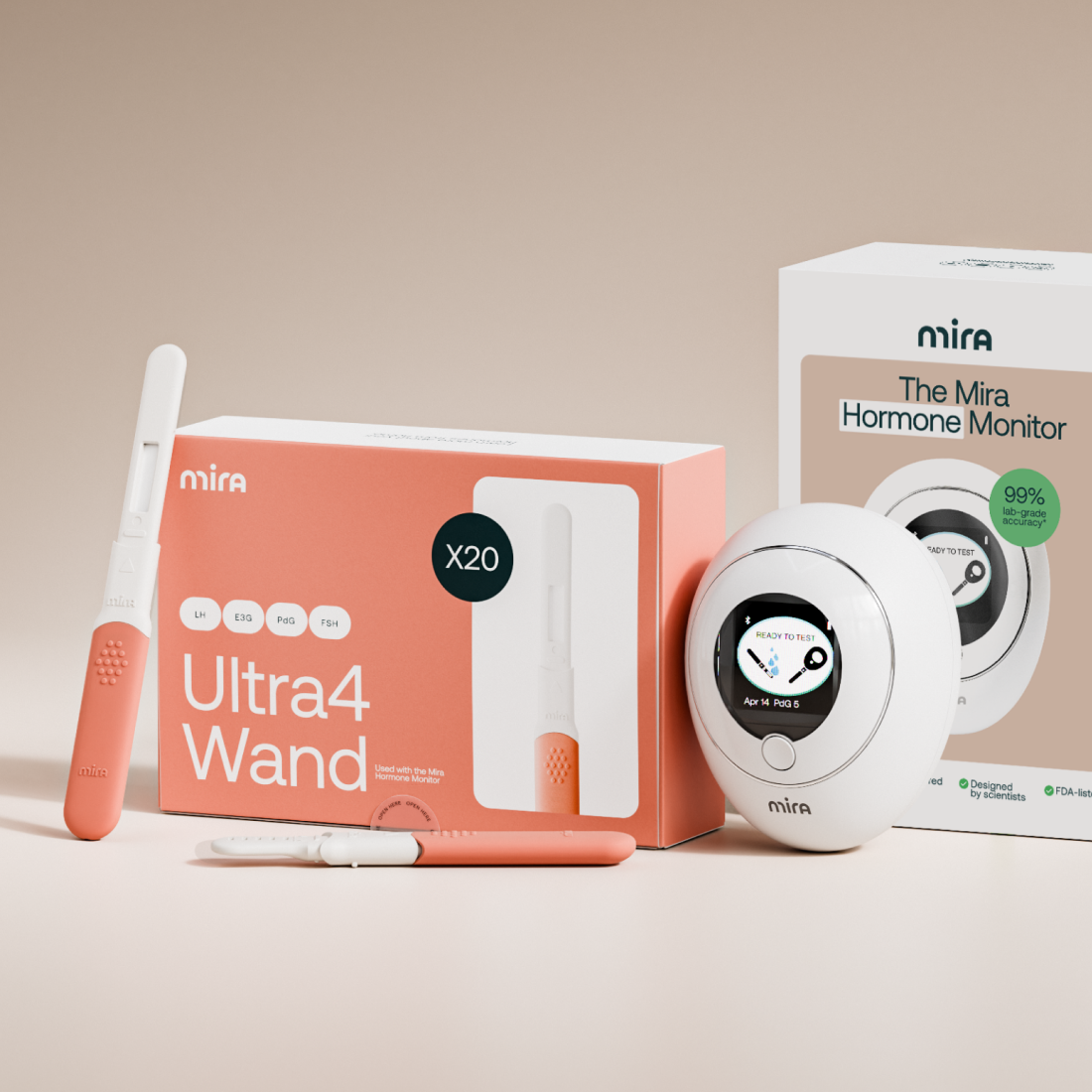
Mira Hormone Monitor: Ultra4 Kit
$249 — 20 Ultra4 Wands [3]
Numerical LH, E3G, PdG and FSH tracking in the Mira app.
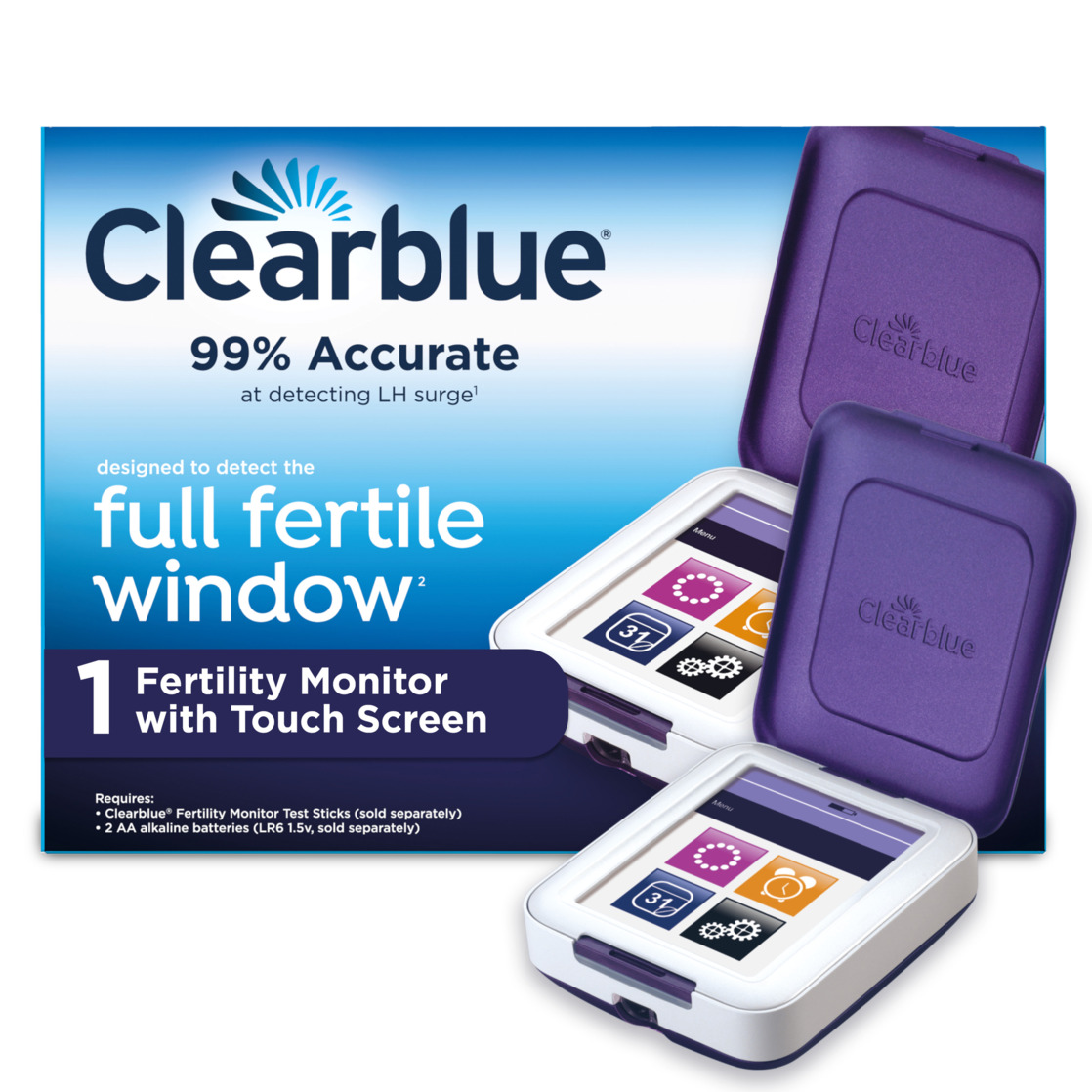
Clearblue Fertility Monitor
$149.97 — current Walmart price [6]
Low, High and Peak fertility guidance using estrogen and LH changes.
The Real Difference: Simple Fertility Status vs Detailed Hormone Trends
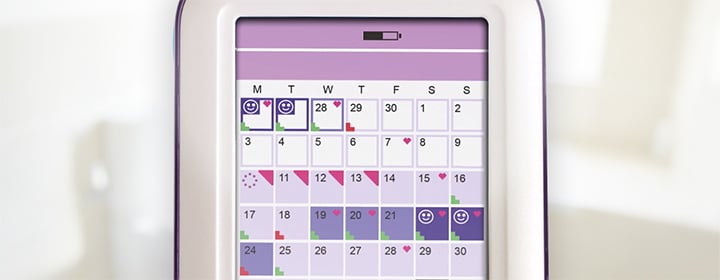
The Clearblue Fertility Monitor tracks estrogen and LH and converts those changes into a daily Low, High or Peak fertility status. Clearblue says the monitor is designed to identify up to six fertile days in a cycle. [1]
Mira Ultra4 measures LH, E3G, PdG and FSH in one wand and shows numerical hormone results in the Mira app. Mira also states that Ultra4 is for hormone monitoring and cycle tracking and is not intended to diagnose ovarian function, egg supply or another medical condition. [3]
Clearblue gives you a fertility status; Mira gives you more of the underlying hormone picture. If High or Peak is enough to guide timing, extra numbers may not change your decision. Mira matters more when following hormone patterns has a specific purpose.
Is Mira Worth Paying More Than Clearblue?
Mira currently lists its Ultra4 starter kit at $249 with 20 wands and $269 with 30. Mira says most users need about 18–22 Ultra4 wands per cycle, with 20 recommended for regular cycles up to 30 days and 30 for longer or irregular cycles. [3]
Clearblue’s U.S. site routes shoppers to retailers. Walmart currently lists the monitor at $149.97, with test sticks sold separately. Clearblue says most users need about 10 sticks per cycle, while longer or irregular cycles may require 20. [6] [2]
What Changes If Your Cycle Is Long or Irregular?
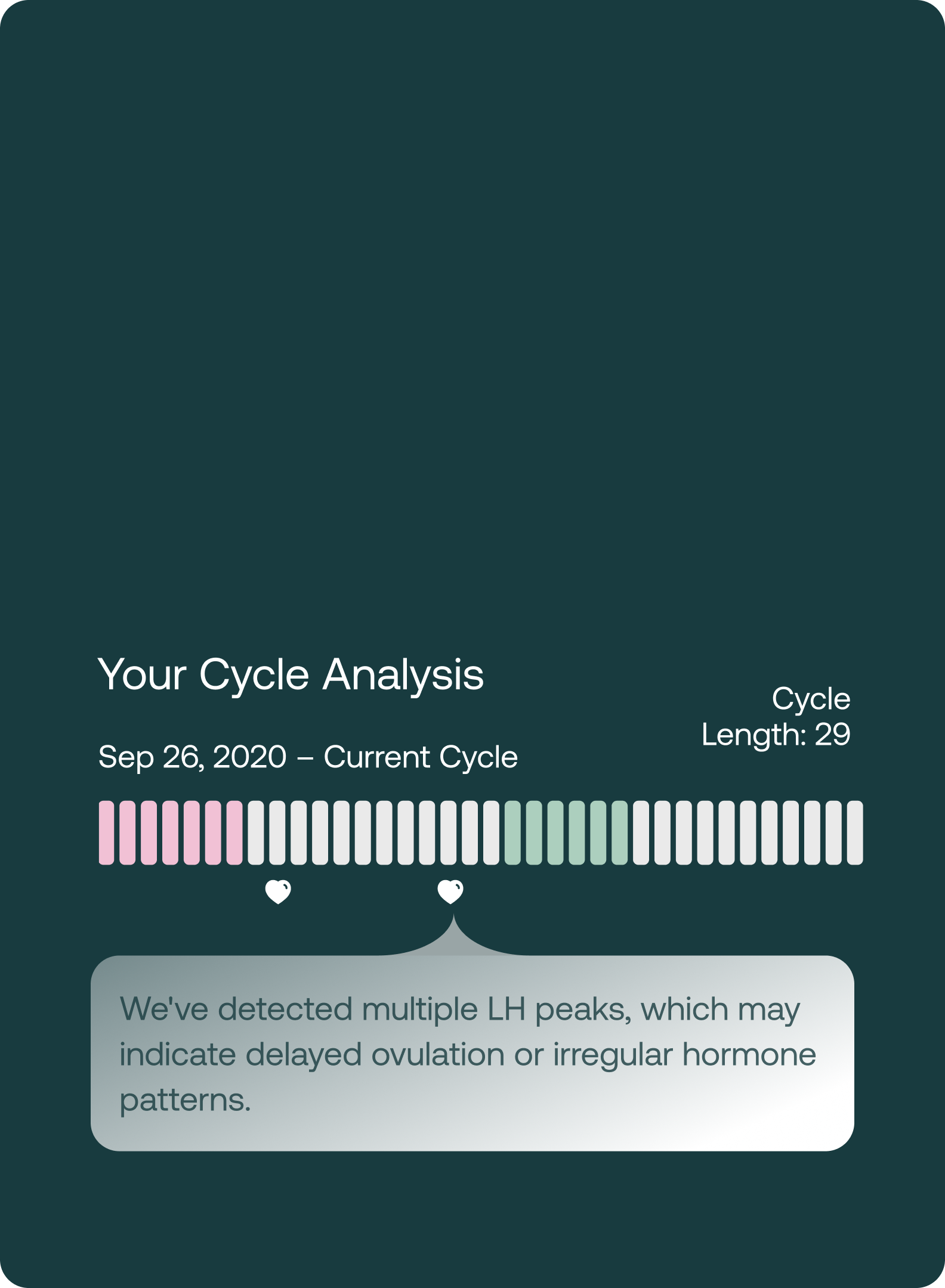
Clearblue says its Fertility Monitor is suitable for natural cycles of 21–42 days, but also warns that if cycles are always shorter than 23 days or longer than 37 days, it may not detect the LH surge. [1]
If Clearblue detects an estrogen rise but not an LH surge, it can continue showing High Fertility for as many as 19 days. Clearblue also notes that unusual cycle lengths can result in Peak Fertility not being detected. [1]
Mira recommends a 30-wand option for longer, irregular or variable cycles, which also makes ongoing consumable cost more important. [3]
Irregular cycles do not automatically make Mira the better choice. More testing days can raise costs with either system; Mira makes sense only when its extra hormone trends justify that commitment.
If your main problem is understanding the cycle rather than choosing between brands, start with our irregular-period ovulation tracking guide before paying for a monitor.
Clearblue also warns that PCOS can produce misleading monitor results because baseline LH or estrogen may be elevated. That does not establish that Mira is automatically better for PCOS; Mira also states that Ultra4 is not a diagnostic tool. [4] [3]
If irregular cycles reflect a known or suspected fertility problem, home tracking should not replace a clinical evaluation. ASRM describes infertility assessment as broader than ovulation tracking alone. [5]
What Can Mira Tell You That Clearblue Cannot?
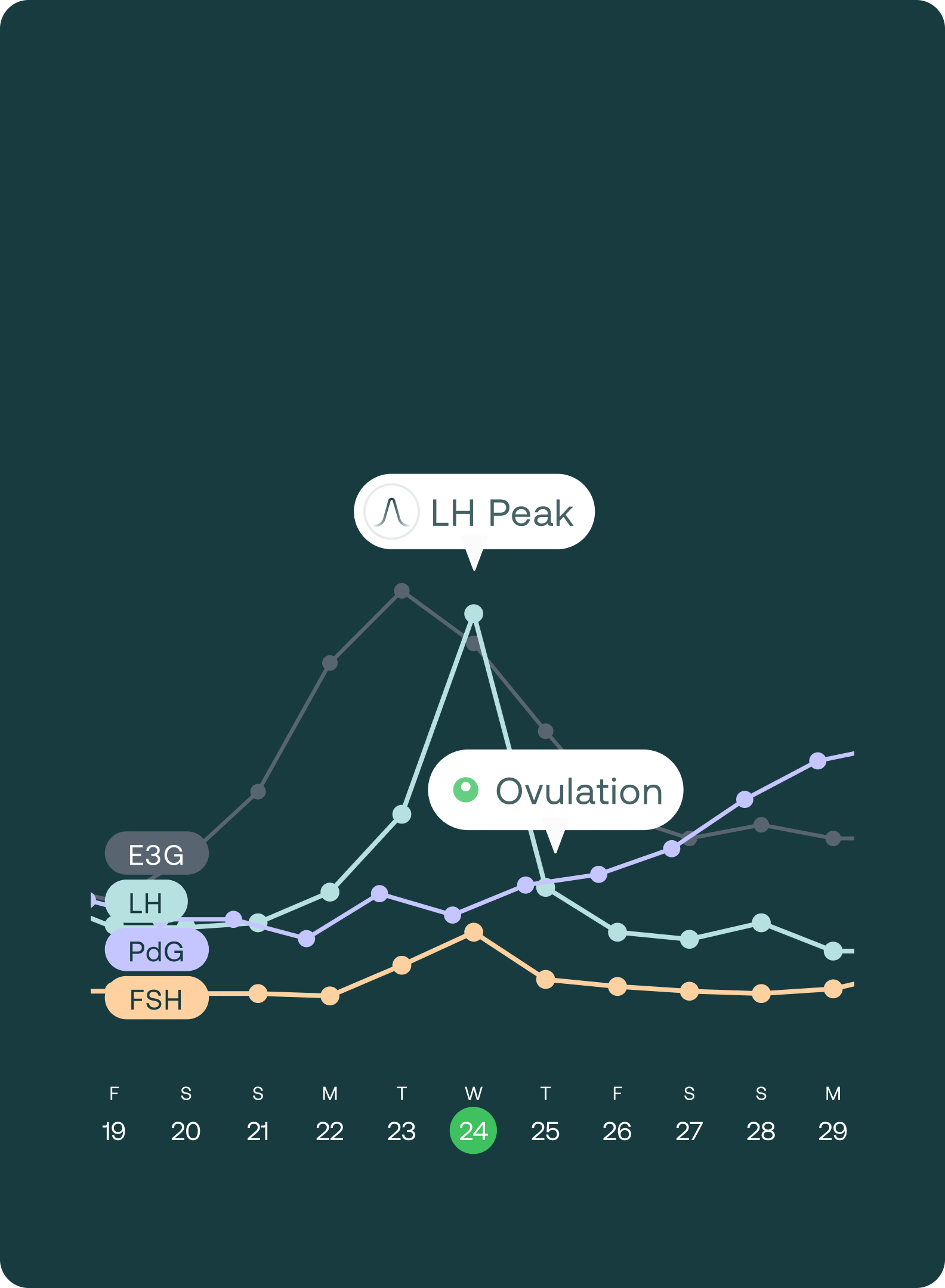
Mira’s main advantage is not simply “four hormones instead of two.” It is the ability to see numerical trends for LH, E3G, PdG and FSH across the cycle. [3]
Mira gives you a post-surge PdG trend and additional FSH data in the same system. Those values should not be treated as a diagnosis; Mira limits Ultra4 to hormone monitoring and cycle tracking. [3]
This is where the buying question should change from “Which product gives me more data?” to “What will I actually do differently because I have that data?”
Where Clearblue’s Simplicity Can Be the Better Fit
Clearblue’s Low, High and Peak output means less daily data to interpret. For a predictable cycle focused on fertile-day timing, that simplicity may be enough. [1]
Simplicity is an advantage when extra information will not change the next action. Mira’s additional measurements only add value when they reduce a specific uncertainty that a simpler fertility status cannot.
Who Should Choose Mira, Clearblue, or Neither?
Choose Clearblue if:
- Your main goal is simple fertile-window timing.
- Your cycles are reasonably predictable.
- You prefer Low / High / Peak guidance over numerical hormone charts.
- You do not have a clear reason to pay for additional hormone measurements.
Choose Mira Ultra4 if:
- You specifically want numerical multi-hormone trends.
- Seeing LH, E3G, PdG and FSH over the cycle has a clear purpose for you.
- You accept the higher documented starter cost and heavier disposable-test use.
- You want more visibility than a simple fertile-status result provides.
Choose neither if:
- Basic LH strips already provide reliable timing information.
- Extra hormone data would not change your next action.
- Your main concern is a fertility problem that needs medical evaluation rather than another home tracker.
Final Verdict: Is Mira Really Worth the Upgrade?
For someone with a reasonably predictable cycle who mainly wants to identify fertile days, Clearblue is the more straightforward starting point. Its value is simplicity: it turns estrogen and LH changes into an easy fertility-status result. [1]
Mira becomes easier to justify when you have a specific reason to want numerical LH, E3G, PdG and FSH trends. The extra data is the advantage—but only when you will actually use it. [3]
Do not pay for more hormone data because more sounds better. Pay for it only when that extra information answers a question the simpler option cannot answer well enough.
Mira Ultra4 Kit
$249 — 20 Ultra4 Wands [3]
Consider Mira if numerical multi-hormone trends are worth the higher testing commitment for you.
Clearblue Fertility Monitor
$149.97 — current Walmart price [6]
Consider Clearblue if simple Low, High and Peak fertility guidance is enough for your needs.
If Mira looks like the better fit, read our Mira Hormone Monitor Review for its kit options, refill costs, limitations and product-specific buying considerations.
FAQs
Is Mira more accurate than Clearblue?
The sources reviewed here do not establish a current independent universal accuracy winner. Each company publishes performance information about its own system, but those claims should not be treated as an independent head-to-head comparison.
Is Mira worth the extra money over Clearblue?
It can be if you specifically want numerical multi-hormone trends and know how you plan to use them. If your main goal is fertile-window timing, Clearblue may provide enough information with less complexity.
Which is better for irregular cycles?
Neither can be declared universally better. Clearblue has documented cycle-length limitations, while Mira recommends more wands for longer or irregular cycles. The useful question is whether Mira’s additional data justifies the extra testing commitment for your situation.
This comparison is for buyer research and general information and is not medical advice. Product pricing, retailer availability, kit contents and testing guidance can change.
Sources & References
- Clearblue — Fertility Monitor with Touch Screen
Two-hormone tracking, Low/High/Peak output, cycle-length guidance, prolonged High Fertility and monitor limitations. Open source ↗ - Clearblue — Fertility Monitor Test Sticks
Typical 10-stick use and up to 20 sticks for longer or irregular cycles. Open source ↗ - Mira Fertility — Mira Hormone Monitor: Ultra4 Kit
Current kit pricing, four-hormone tracking, typical wand use, longer-cycle guidance and diagnostic limitations. Open source ↗ - Clearblue — Fertility Monitor Limitations
Clearblue’s stated limitations involving PCOS and potentially misleading monitor results. Open source ↗ - American Society for Reproductive Medicine — Fertility Evaluation of Infertile Women
Distinction between home ovulation tracking and broader infertility evaluation. Open source ↗ - Walmart — Clearblue Fertility Monitor with Touch Screen
Retailer price used in the product cards. Retail prices can change. Open source ↗
 ✓