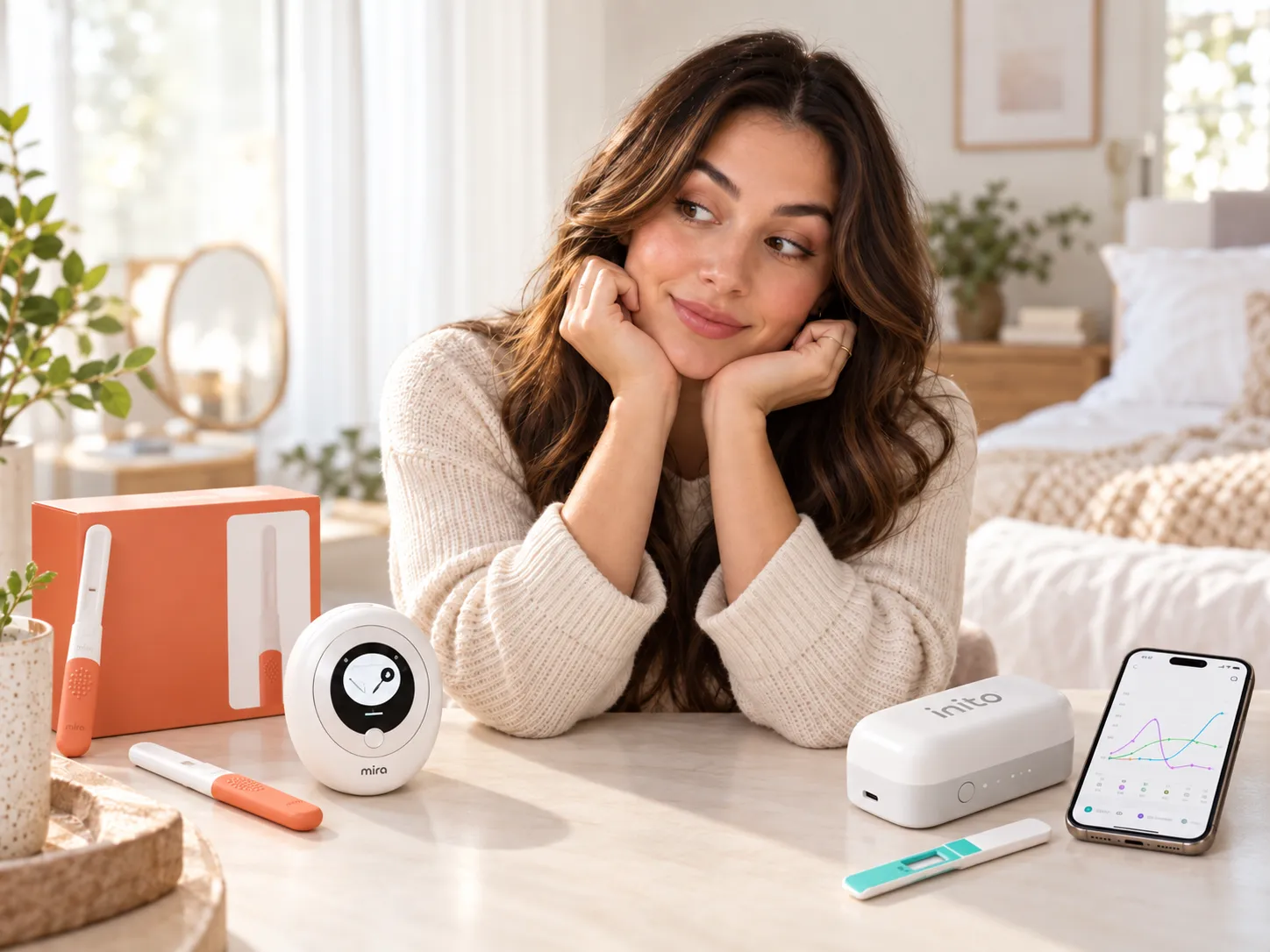
If you are comparing Mira and Inito, you probably do not need another explanation of what an ovulation test is. The harder question is whether either premium monitor gives you enough useful information to justify the reader cost, disposable tests, and repeated testing across multiple cycles.
That comparison has changed in 2026. Mira Ultra4 now measures LH, E3G, PdG and FSH in one wand, while the current Inito InSight Wireless Reader also tracks four hormones and no longer depends on the older phone-attached reader. [1] [4]
Quick Verdict
Choose Inito if: your priority is four-hormone tracking with a lower current starter and refill price.
Choose Mira Ultra4 if: you prefer the Mira ecosystem, want 20- or 30-wand purchasing options, or need Mira’s broader international availability.
Choose neither if: inexpensive LH strips already answer your main ovulation-timing question and additional hormone numbers would not change what you do next.
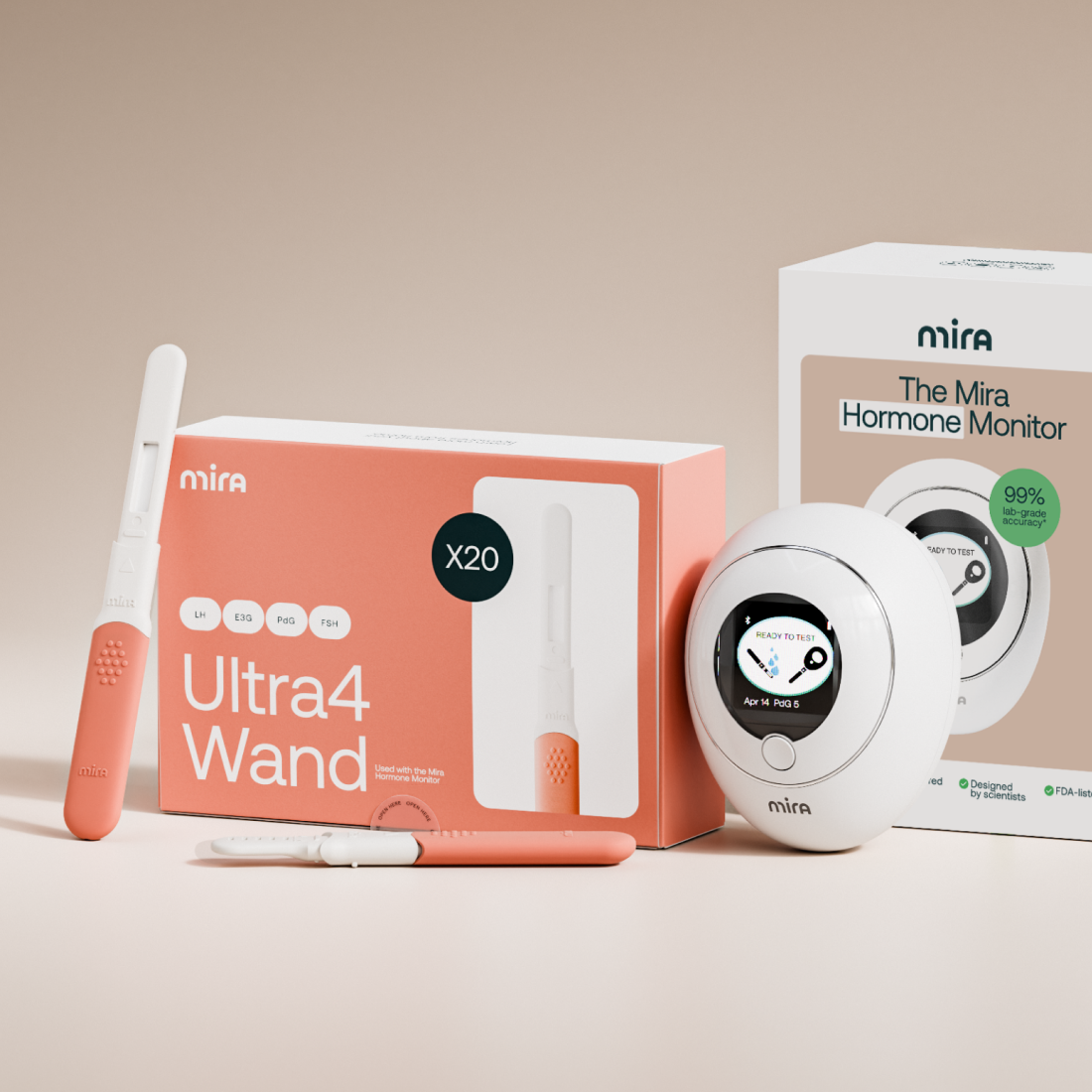
Mira Hormone Monitor: Ultra4 Kit
$249 — 20 Ultra4 Wands
Four-hormone tracking with Mira’s monitor and app ecosystem.
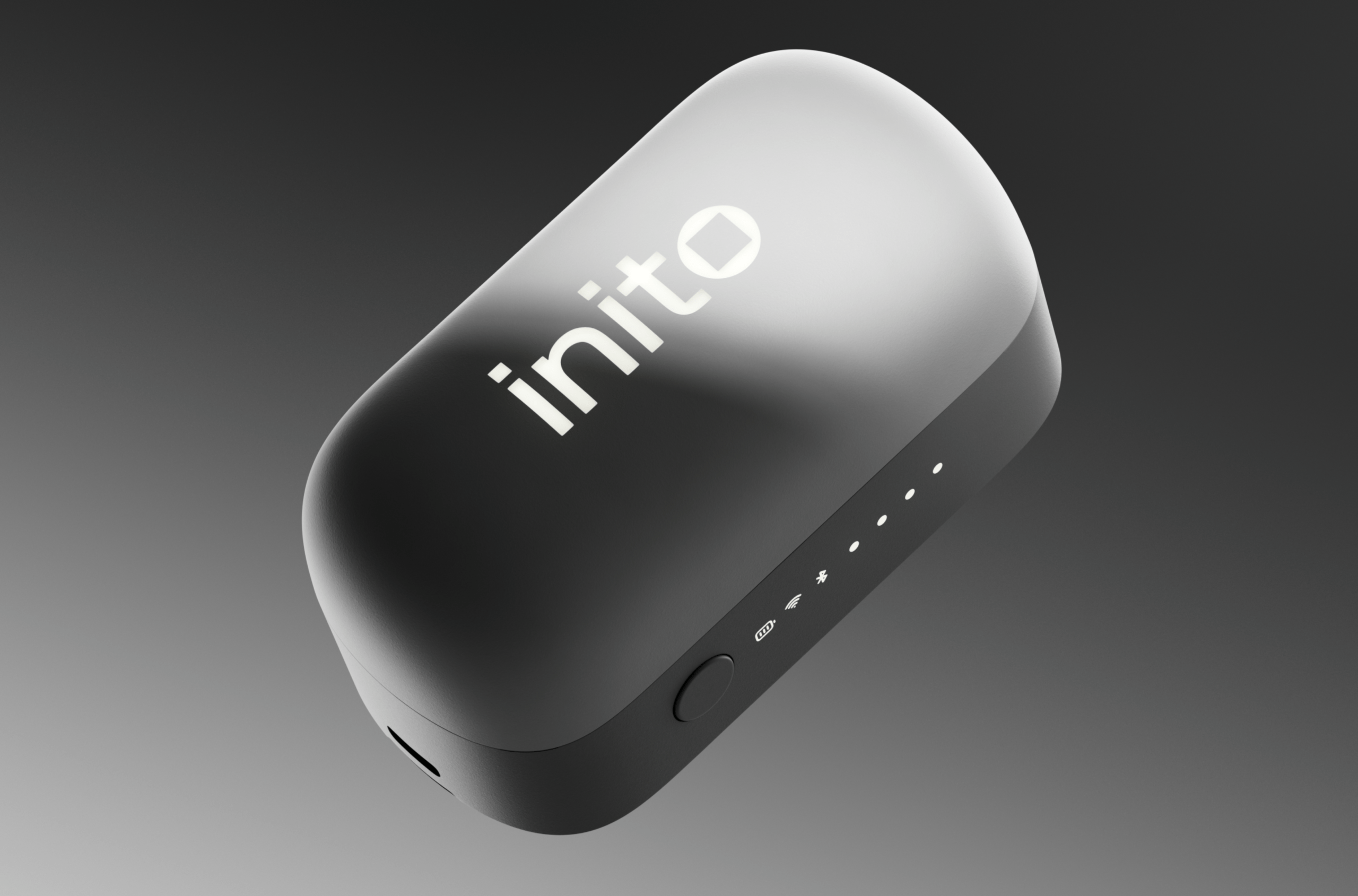
Inito Fertility Monitor
$169 — Reader + 15 Fertility Strips
Four-hormone tracking with lower current starter and refill pricing.
What Are You Actually Comparing Now?
Mira Ultra4
- Tracks LH, E3G, PdG and FSH with one Ultra4 wand.
- Current starter kit: $249 with 20 wands or $269 with 30 wands.
- Mira says most users need around 18–22 Ultra4 wands per cycle.
- The 30-wand option is intended for longer, irregular or variable cycles.
Inito
- Tracks Estrogen/E3G, LH, PdG and FSH.
- The current InSight Wireless Reader works as a standalone Wi-Fi device.
- It supports both iOS and Android.
- The official product page currently lists the monitor at $169.
- A refill pack of 15 fertility strips is listed at $49.
This changes the comparison. Older Mira vs Inito articles may still describe Inito as an iPhone attachment or suggest Mira needs multiple wand types to cover four-hormone tracking. Those older differences should not drive a current buying decision.
The Bigger Cost Question Is What Happens After the Starter Kit
Mira currently lists 20 Ultra4 refill wands at $99 and 30 at $139. Inito lists 15 replacement strips at $49. [2] [3]
So the useful question is not simply, “Which monitor costs less today?” It is: “How many disposable tests am I likely to use over the next two or three cycles?”
That distinction matters more with unpredictable cycles. Mira says most users need approximately 18–22 Ultra4 wands per cycle and recommends considering 30 when cycles are longer or irregular. [1]
Does More Hormone Data Actually Solve Your Problem?
Both current systems measure four hormone markers, so hormone count alone is no longer a strong reason to choose one over the other. [1] [3]
Inito says it measures estrogen and LH to help identify fertile days and PdG to help confirm ovulation. Mira positions Ultra4 for hormone monitoring and cycle tracking and explicitly states that its results are not intended to diagnose medical conditions. [1] [3]
The bigger question is: what uncertainty are you paying the monitor to reduce?
- If you mainly need to detect an LH surge, inexpensive OPKs may already provide enough information.
- If you specifically want estrogen changes before ovulation plus PdG trends after the surge, multi-hormone tracking has a clearer purpose.
- If your main concern is why conception is not happening, neither monitor replaces a clinical fertility evaluation.
Why Can Mira and Inito Show Different Hormone Numbers?
A recurring concern in user discussions is that people testing Mira and Inito from the same urine sample sometimes report different absolute hormone values. One recent community discussion described noticeably different PdG readings between the devices. [5]
That is a user report, not a controlled accuracy study. It does not prove that either device is wrong.
For a buyer, the safer approach is to follow trends within the same testing system rather than buying two monitors and expecting their absolute values to match. The evidence reviewed for this article does not establish a universal Mira-vs-Inito accuracy winner.
Which Makes More Sense for Long or Irregular Cycles?
There is not enough independent evidence here to declare one system universally better for irregular cycles.
What we can verify is that Mira directly builds longer-cycle testing into its Ultra4 options: 20 wands for a typical cycle and 30 for longer, irregular or variable cycles. [1]
Inito’s lower current refill price can become attractive if you need additional tests. But with either system, a longer cycle can mean more disposable tests.
That makes testing frequency and refill budget more useful decision criteria than simply asking which brand markets itself for irregular cycles.
If the harder question is how to interpret an irregular cycle before choosing a monitor, our guide to tracking ovulation with irregular periods explains what to do when app predictions, LH tests, BBT and PdG do not agree.
What About the Reader and App Experience?
The hardware difference is smaller than it used to be. In April 2026, Inito introduced its standalone InSight Wireless Reader with built-in Wi-Fi and iOS/Android support. [4]
Inito also says users can export cycle reports containing hormone charts and values. Mira pairs its monitor with the Mira app for hormone charts and personalized cycle insights. [1] [3]
That sounds useful on paper, but more data is valuable only when you can interpret and use it. Some TTC users say detailed tracking gives them useful context, while others describe extra numbers as stressful or difficult to justify financially. [6]
Those experiences are subjective, but they raise a useful buying question: will daily hormone charts help you make a different decision, or simply give you more numbers to watch?
Who Should Choose Mira, Inito, or Neither?
Choose Mira Ultra4 if:
- You want to stay inside the Mira monitor and app ecosystem.
- You prefer buying a 20- or 30-wand testing pack upfront.
- A larger wand option for longer or variable cycles is useful to you.
Choose Inito if:
- Current purchase and refill cost are major priorities.
- You want four-hormone tracking with a standalone wireless reader.
- Exportable cycle reports are useful to you.
Choose neither if:
- Regular LH strips already identify your surge clearly.
- You do not need four-hormone trends to make a different decision.
- You expect a home tracker to diagnose infertility, PCOS, or another medical condition.
- Daily hormone numbers are likely to create more stress than useful information.
Final Decision: Mira or Inito?
If lower current purchase and refill cost is your priority, Inito has the clearer value advantage based on the prices verified for this comparison.
If Mira’s ecosystem, larger wand-pack options, or its testing format fit your situation better, Mira Ultra4 can still be the more sensible choice.
But the most useful question is not “Which tracker has more features?” Both current systems cover the same four broad hormone markers.
Instead, ask: What information do I actually need, how many days am I likely to test, and will the result change what I do next?
If the answer to that last question is unclear, paying more for additional hormone data may not solve the uncertainty that brought you here.
If you are leaning toward Mira and want the deeper product-specific drawbacks, kit details, return considerations and buying guidance, read our Mira Hormone Monitor Review.
Mira Ultra4 Kit
$249 — 20 Ultra4 Wands
Consider Mira if its ecosystem or larger wand packs fit your testing needs better.
Inito Fertility Monitor
$169 — Reader + 15 Fertility Strips
Consider Inito if lower current entry and refill cost is your main priority.
FAQs
Is Mira or Inito more accurate?
The evidence reviewed for this article does not include a current independent head-to-head study proving that one system is universally more accurate. Both brands publish performance information about their own products, but those claims should not be treated as an independent comparison.
Which is better for irregular cycles?
Neither can be declared a universal winner from the available evidence. Mira specifically offers a 30-wand option for longer or irregular cycles, while Inito currently has the lower refill-pack price. Your likely number of testing days may matter more than the marketing label.
Are Mira or Inito worth it over regular ovulation strips?
They have a clearer purpose if you specifically want multi-hormone trends and PdG information after an LH surge. If inexpensive LH strips already give you the timing information you need, paying for more hormone measurements may not create enough additional decision value.
This comparison is for buyer research and general information and is not medical advice. Product prices, refill pricing, compatibility and policies can change.
Sources & References
- Mira Fertility — Mira Hormone Monitor: Ultra4 Kit
Four-hormone tracking, $249 20-wand kit, $269 30-wand kit, expected wand use, app compatibility and longer-cycle guidance. Open source ↗ - Mira Fertility — Ultra4 Wands
Current Ultra4 refill options and related purchasing information. Open source ↗ - Inito — Fertility Monitor Official Product Page
Current $169 listed monitor price, $49 15-strip refill price, hormones tracked and cycle-report features. Open source ↗ - Inito — Introducing the Standalone Wireless Reader
Inito’s April 2026 move to a standalone Wi-Fi reader with iOS and Android compatibility. Open source ↗ - Reddit — Inito/Mira hormone-reading discussion
User concerns about different readings between home fertility monitors; anecdotal, not a controlled accuracy study. Open source ↗ - Reddit — TTC discussions about Mira, Inito and tracking
Individual concerns about cost, information overload and premium monitors versus simpler OPKs. Open source ↗
 ✓